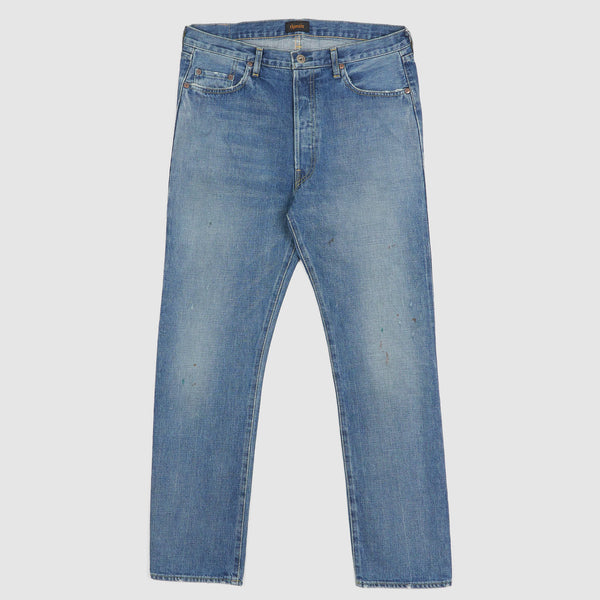
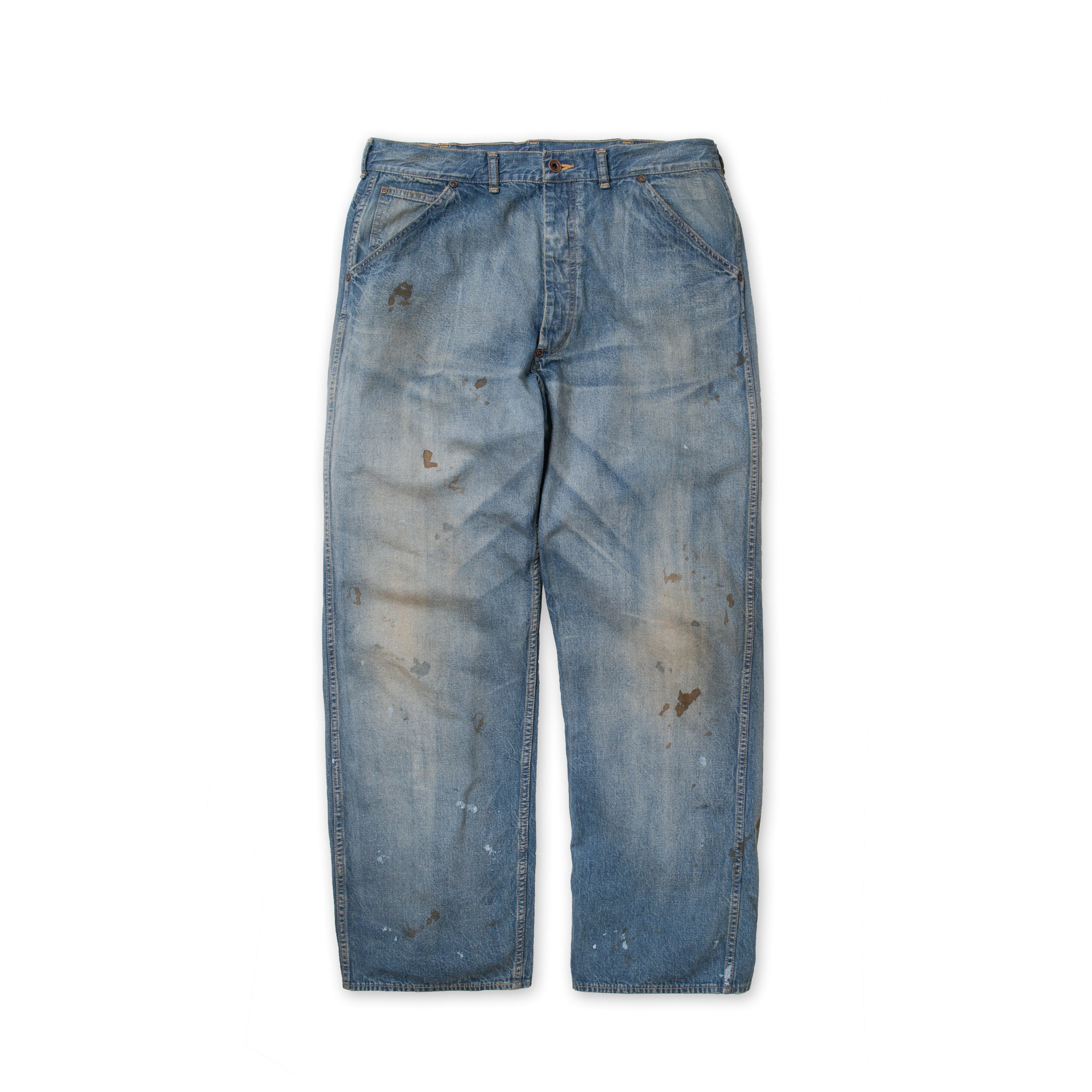
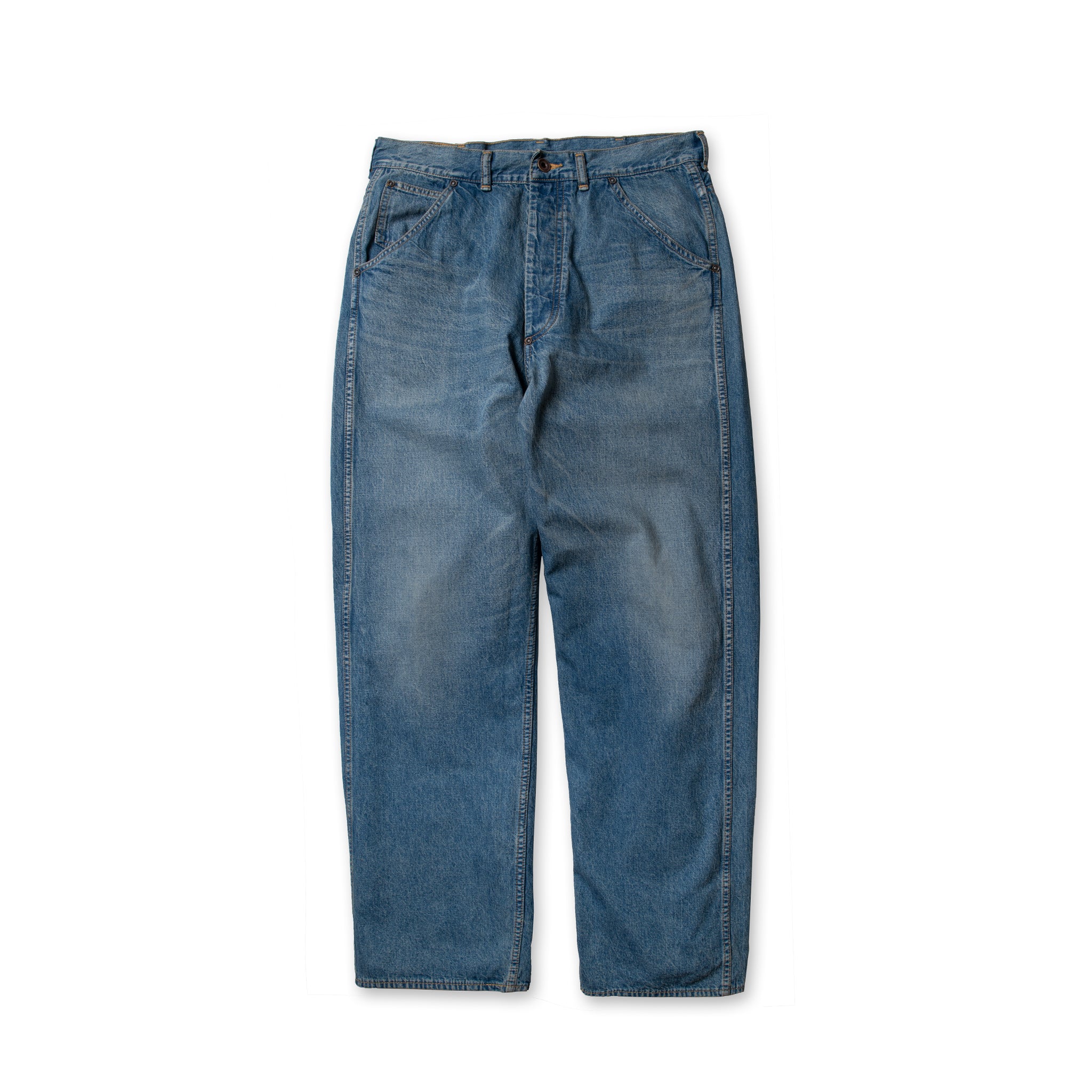
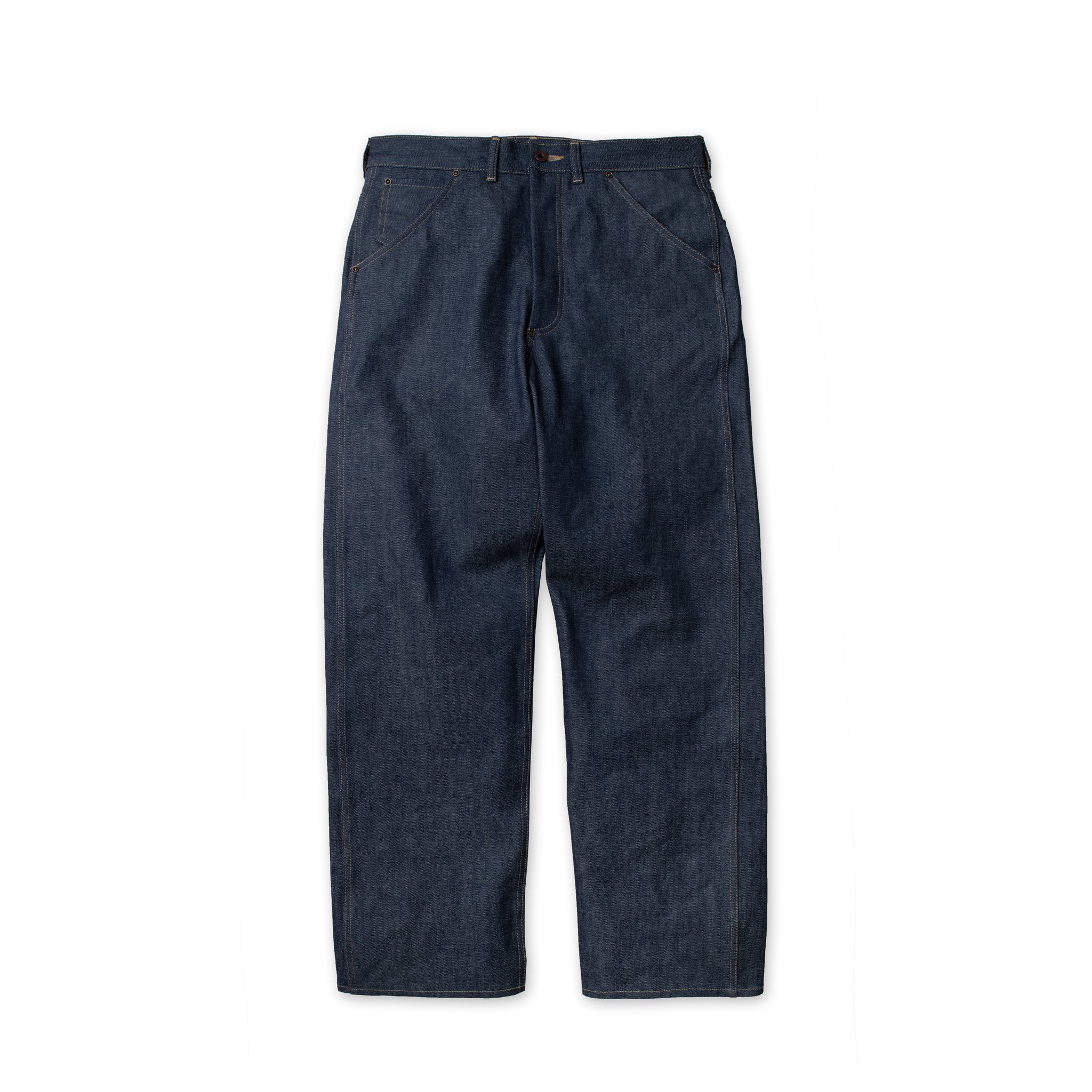
From Visvim and Kapital to obscure workshops in Okayama, these are the Japanese denim brands doing extraordinary things with a humble pair of blue jeans.
The Japanese make some of the best jeans in the world. This is hardly news to the denim-obsessed, a peculiar breed of enthusiast known to spend hundreds of dollars on pants that arrive stiff as cardboard, then spend the next three years trying to make them look old.
We understand the affliction.
Japan's love affair with denim began with an appreciation for American workwear, particularly the sturdy Levi's jeans of the mid-20th century. Over time, Japanese manufacturers became extraordinarily good at reproducing those old fabrics and construction techniques. Then they started experimenting.
Today, Japan is home to some of the world's most interesting denim makers. The range is remarkable: traditional reproductions of 1940s workwear, wonderfully peculiar woven fabrics, hand-applied indigo dyes, and some downright extravagant interpretations of the five-pocket jean.
We've assembled 14 of our favorite Japanese denim brands, including a few lesser-known operations doing rather exceptional work.
Consider this your introduction to the upper reaches of the indigo kingdom.
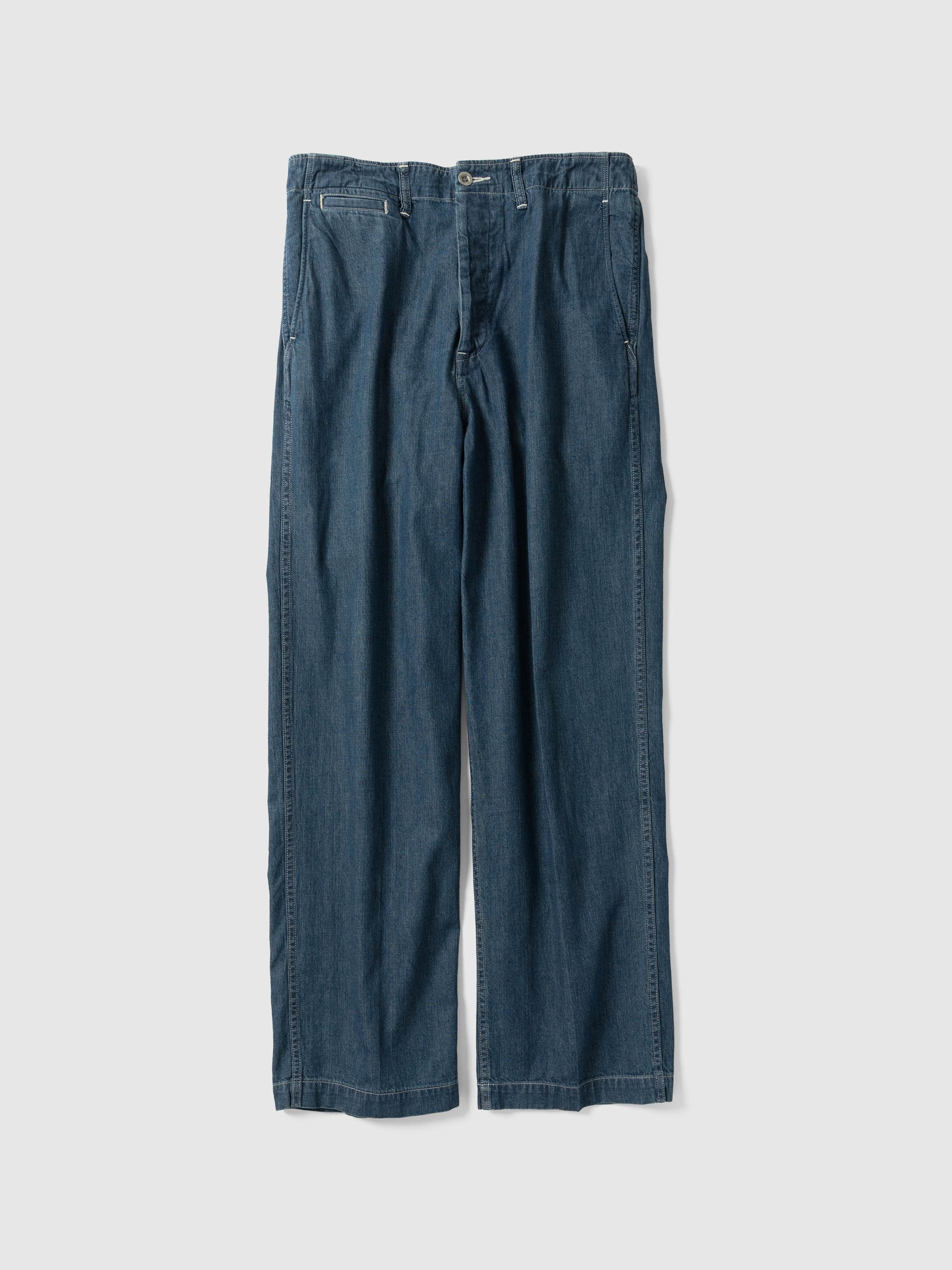
Hiroki Nakamura has spent the better part of two decades turning Visvim into something approaching a religion among serious menswear enthusiasts.
And its denim is divine.
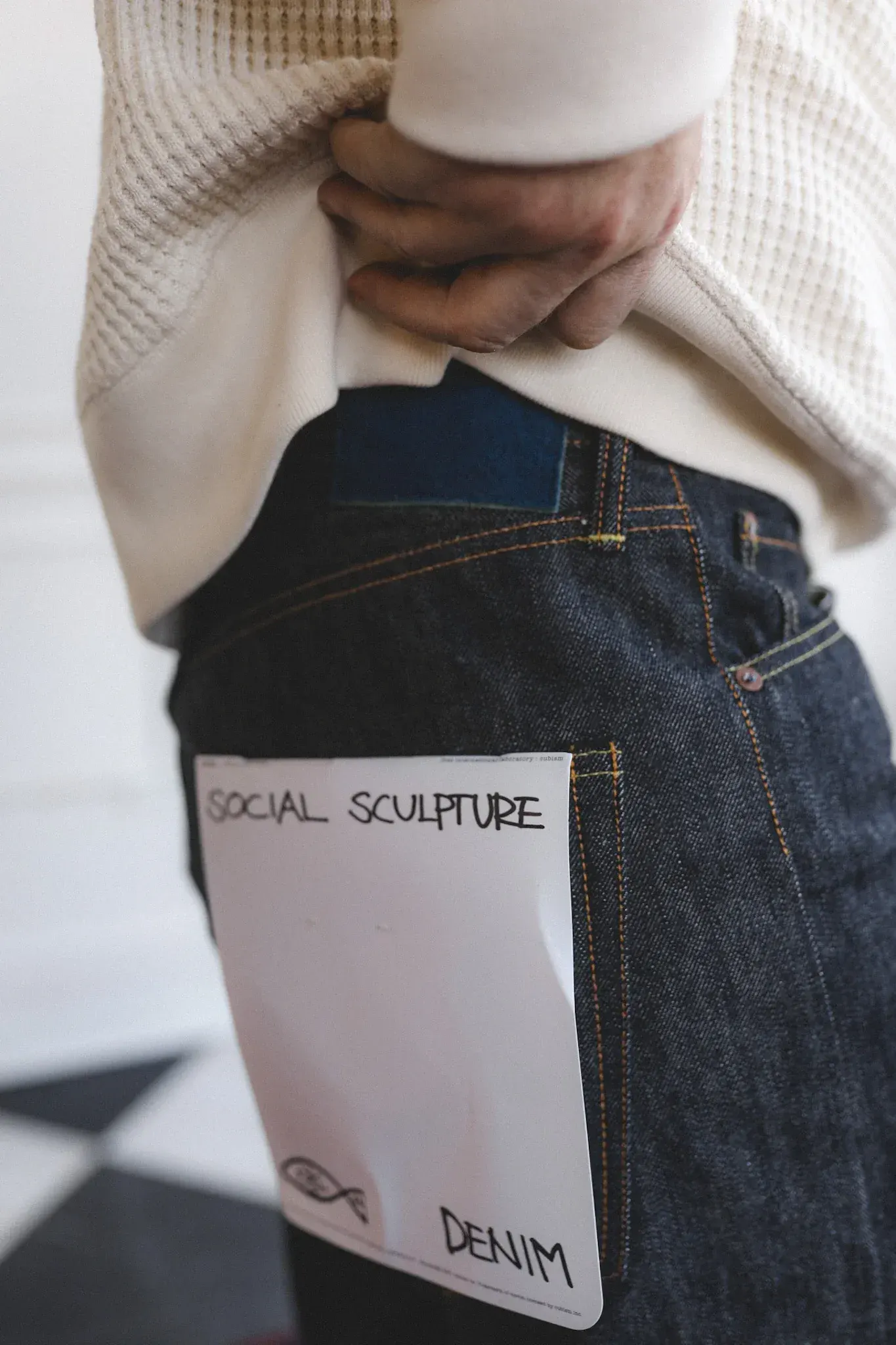
The brand's Social Sculpture collection is an ongoing exploration of what a pair of jeans can become when virtually every aspect of production is reconsidered. Proprietary fabrics, natural dyeing processes, vintage-inspired construction, and elaborate finishing techniques all contribute to jeans that feel like artifacts from an alternative, considerably more stylish universe.
Nakamura approaches clothing with the curiosity of an anthropologist and the exactitude of an engineer. The results can be astonishing.
Of course, Visvim prices inhabit a different dimension from most other denim brands. But the Social Sculpture line deserves its reputation as one of the most ambitious denim projects in contemporary menswear.
Here's a brand we think deserves a considerably larger audience.
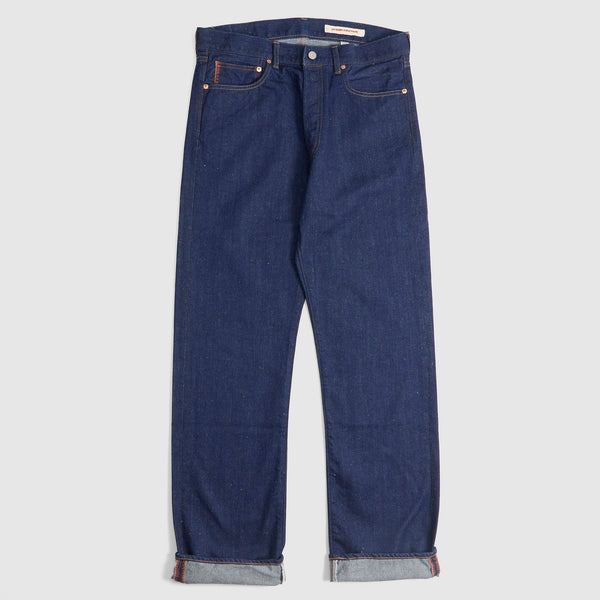
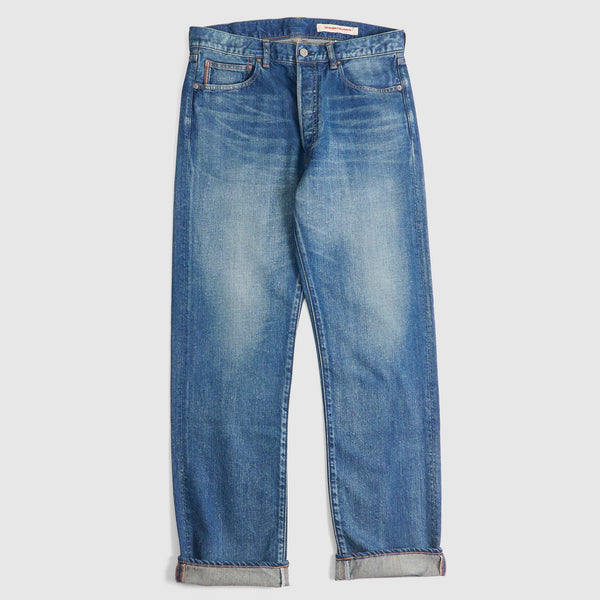
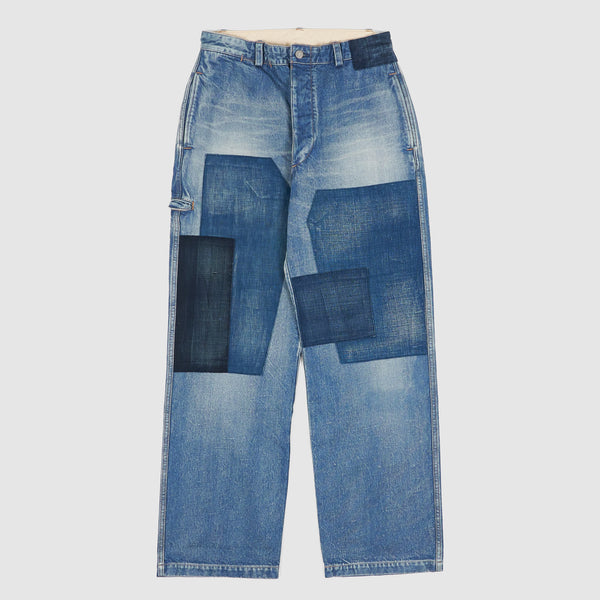
Based in Kojima, Okayama, Cottle approaches denim with an almost scholarly interest in traditional Japanese textiles, natural dyeing, and the relationship between clothing and the people who wear it.
The label is particularly interested in creating its own materials and hardware, pursuing a level of detail that goes well beyond choosing a nice roll of selvedge denim and stitching up some jeans.
Cottle's fabrics often possess remarkable depth and texture, while its relaxed silhouettes feel wonderfully contemporary without sacrificing their connection to traditional craftsmanship.
There's an almost ceremonial quality to the clothing. These are jeans that reward a closer look, preferably with a strong cup of coffee and absolutely nowhere to be.
Start with: Cottle's original denim trousers and naturally dyed offerings.
Kapital has never been particularly interested in behaving itself.
Founded in Kojima and developed under the creative direction of the Hirata family, Kapital produces some of the most wonderfully unusual clothing coming out of Japan.
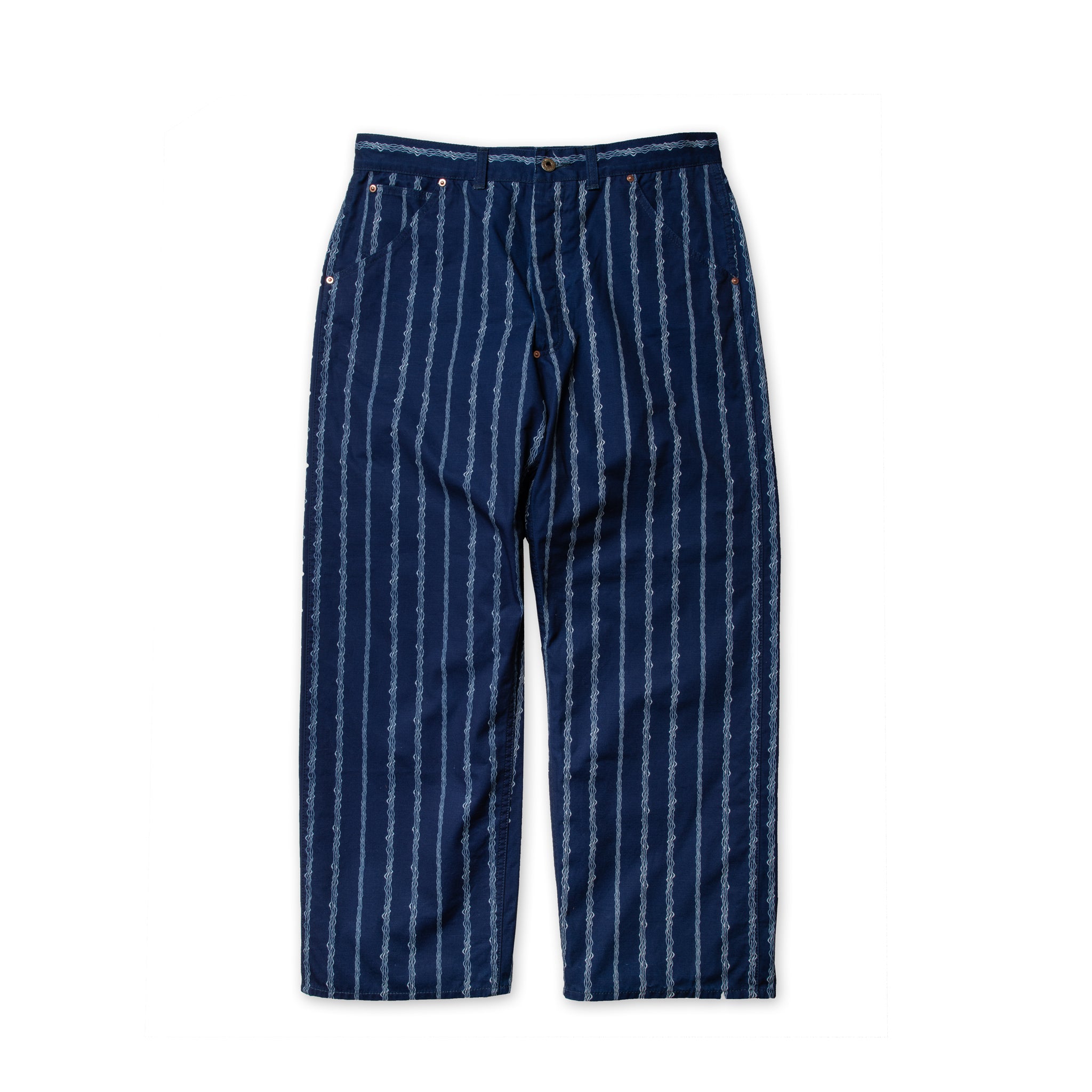
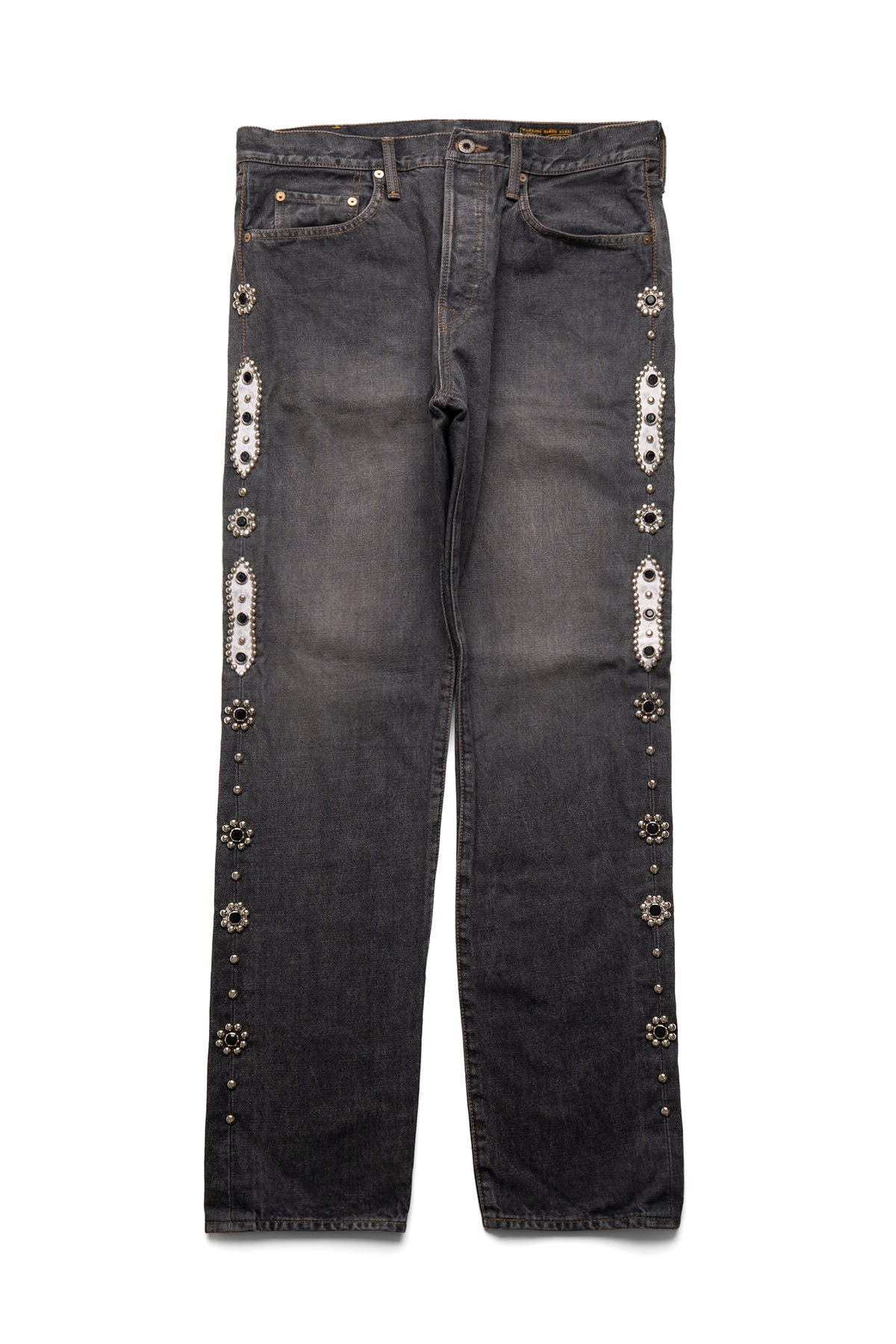
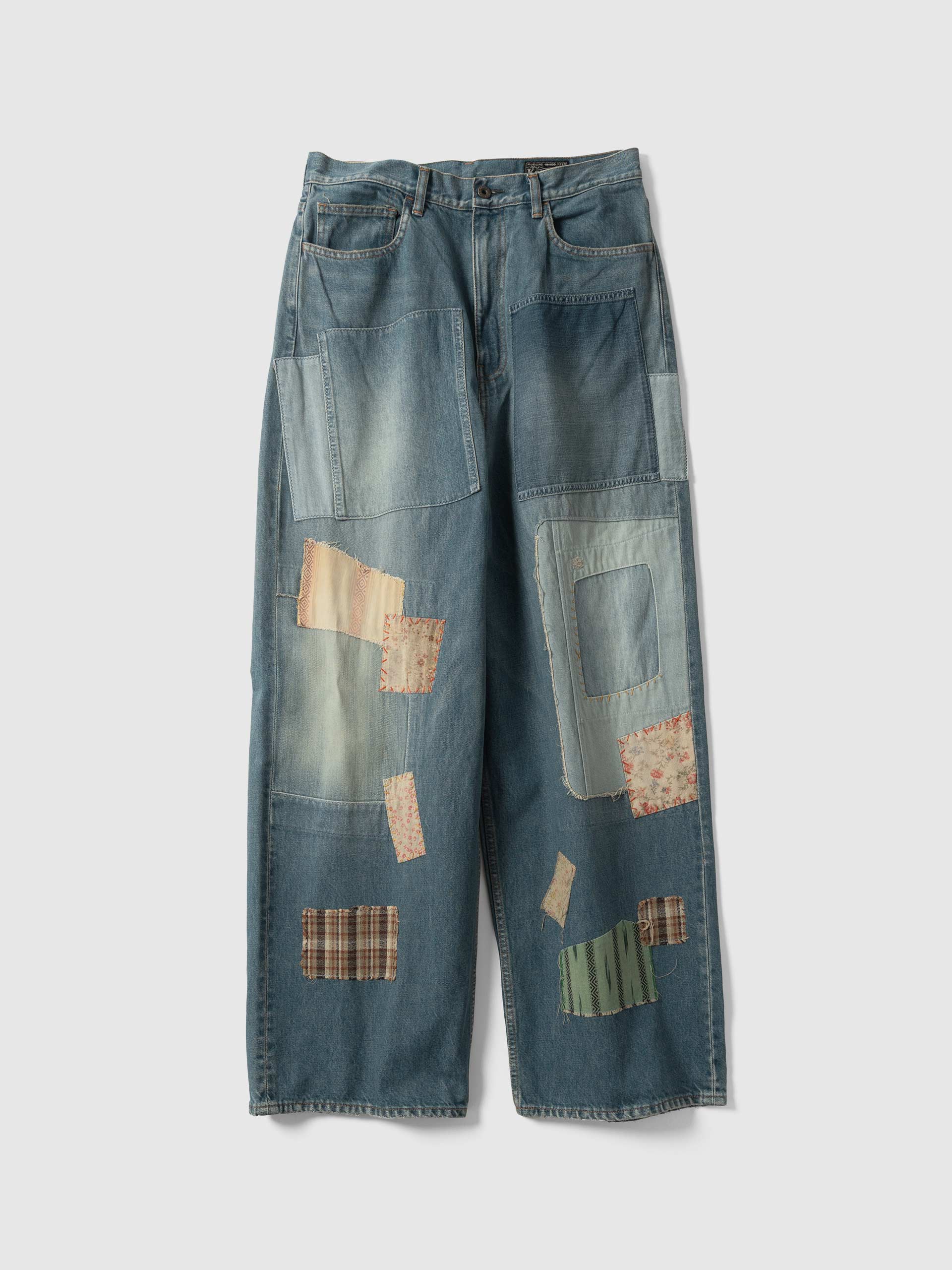
The brand's Century Denim is a particularly fascinating achievement. Rather than relying exclusively on conventional denim construction, Kapital incorporates distinctive woven structures and sashiko-inspired reinforcement to create fabrics with extraordinary texture and visual character.
Elsewhere, you'll find patchwork, elaborate distressing, unusual dyeing techniques, and cuts that occasionally appear to have been dreamed up by a particularly fashionable woodland spirit.
It's tempting to focus on Kapital's more theatrical offerings, but the brand also makes superb conventional jeans.
Our advice? Start with something relatively restrained, then gradually introduce the weirdness.
Yoshiyuki Hayashi is something of a legend in Japanese denim.
Having helped establish DENIME as an important name in the country's heritage denim movement, Hayashi founded Resolute in 2010 with an admirably straightforward proposition: make exceptionally good jeans inspired by vintage American originals.
And then keep making them.
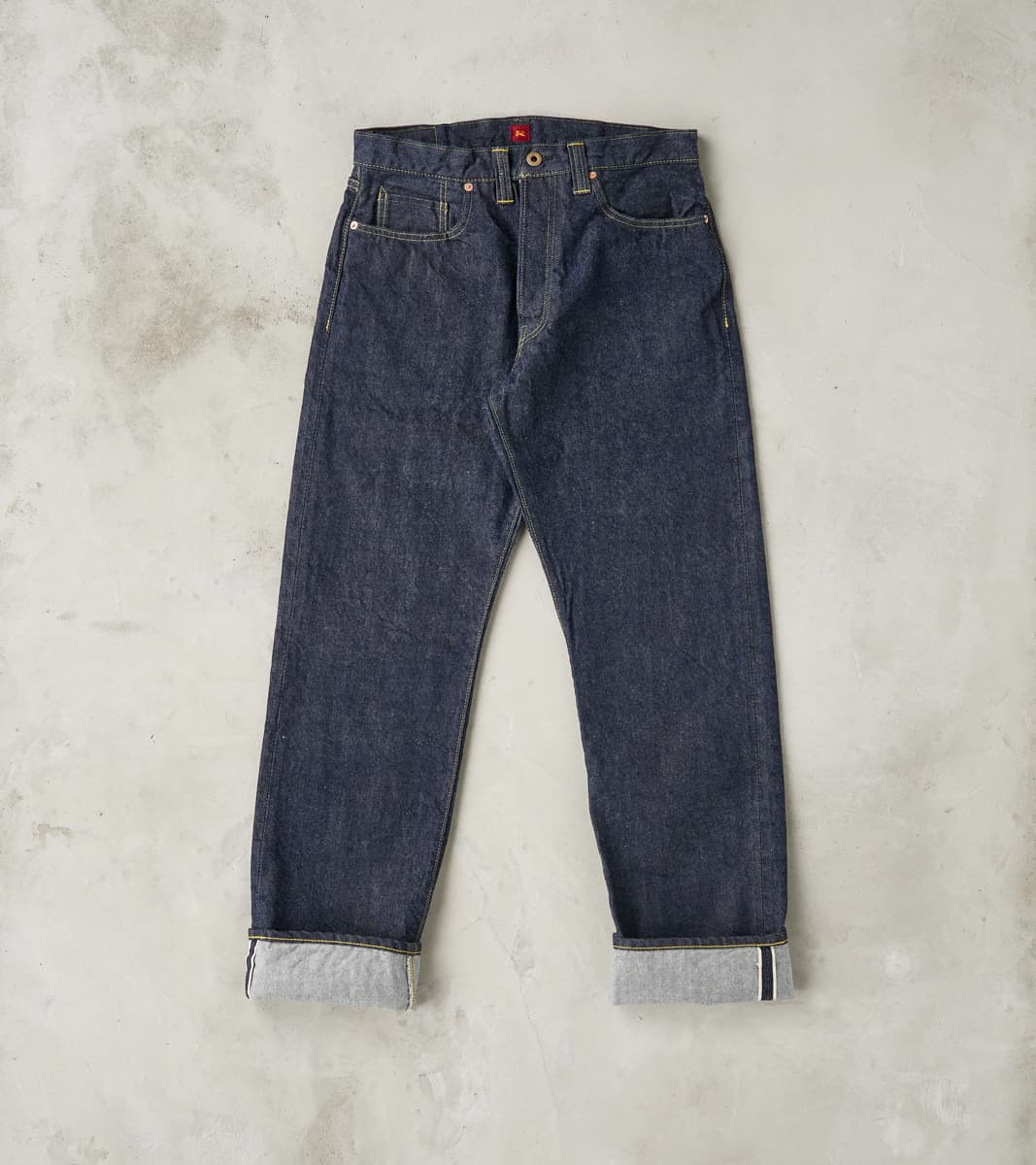
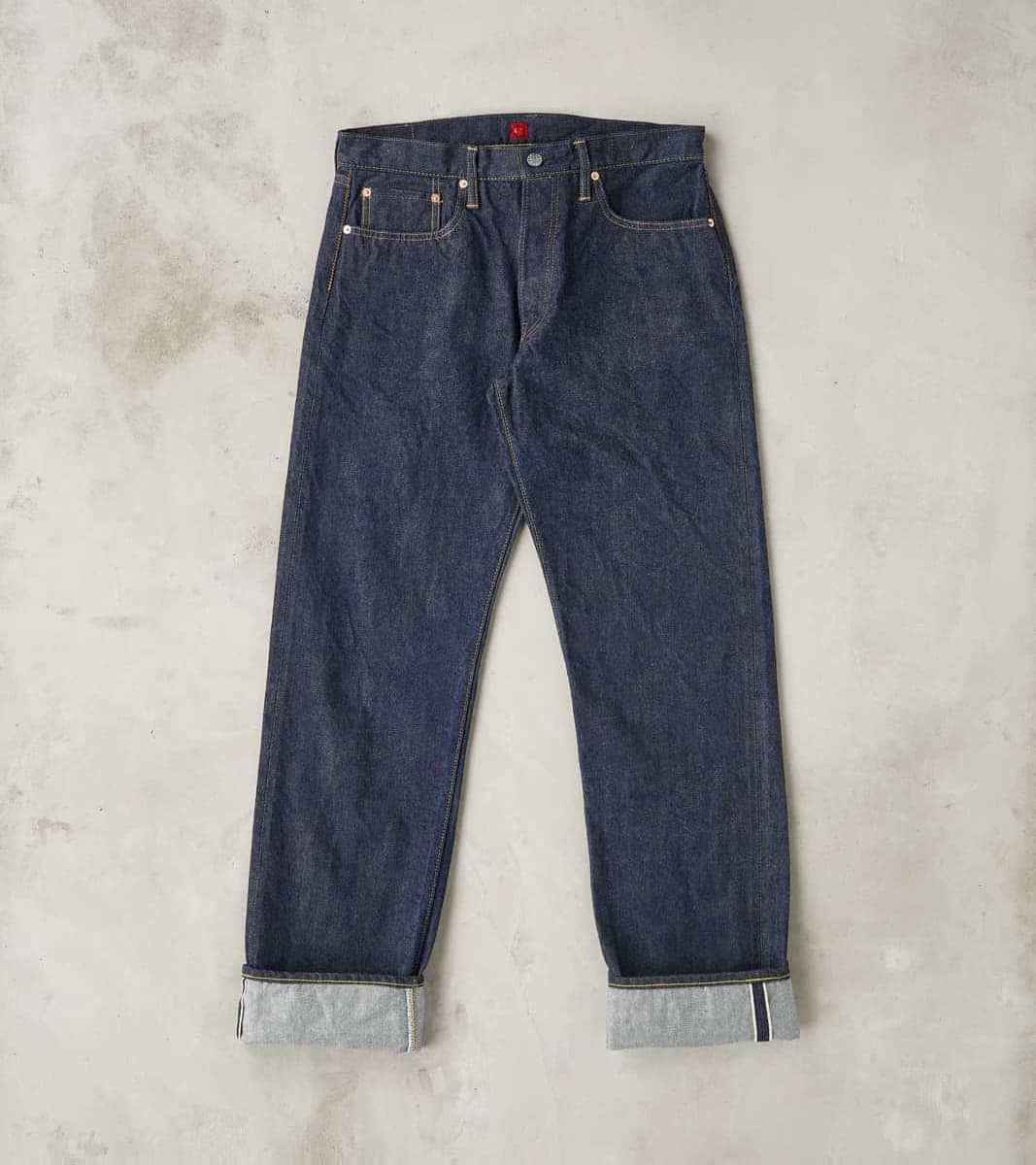
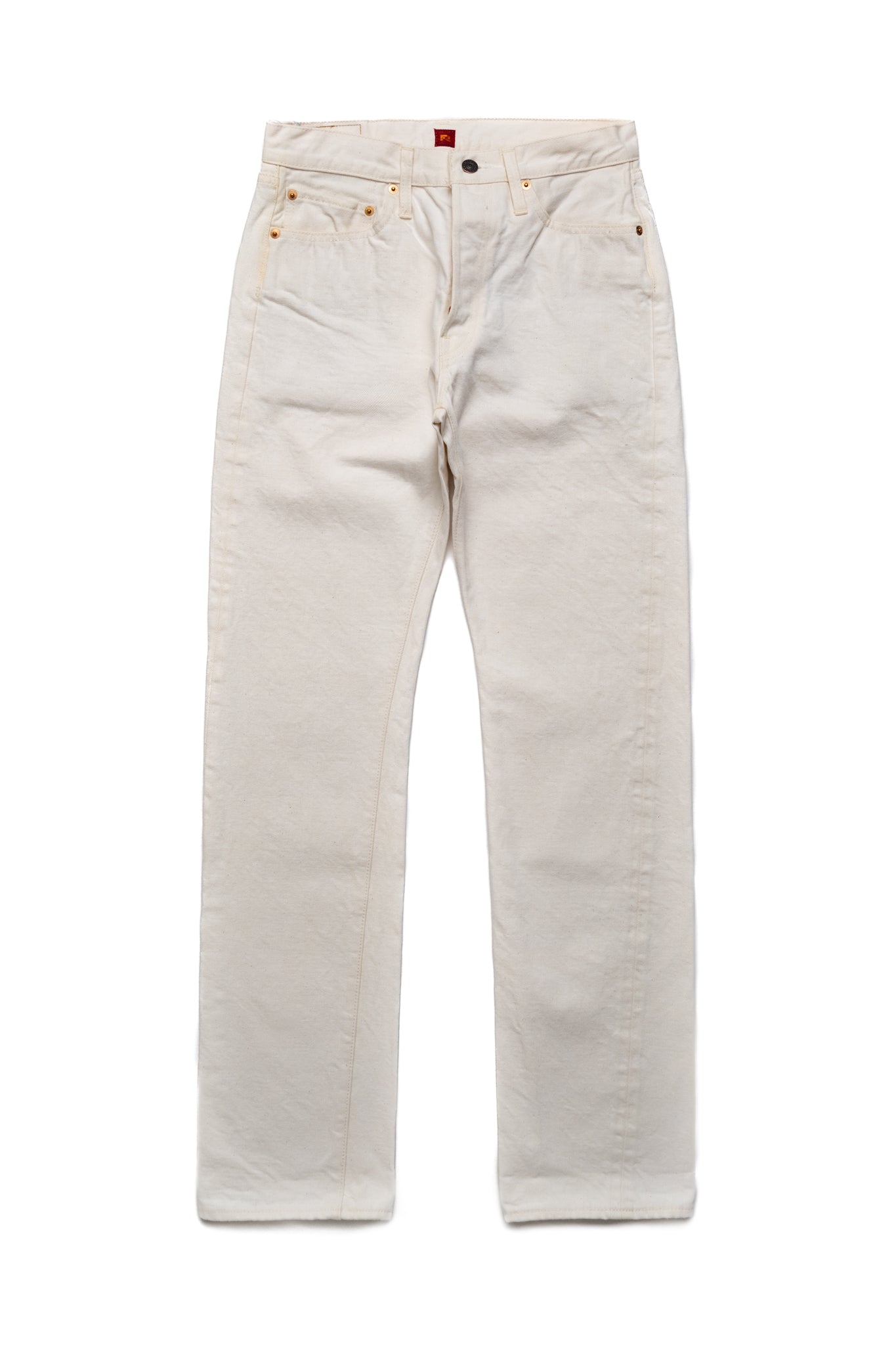
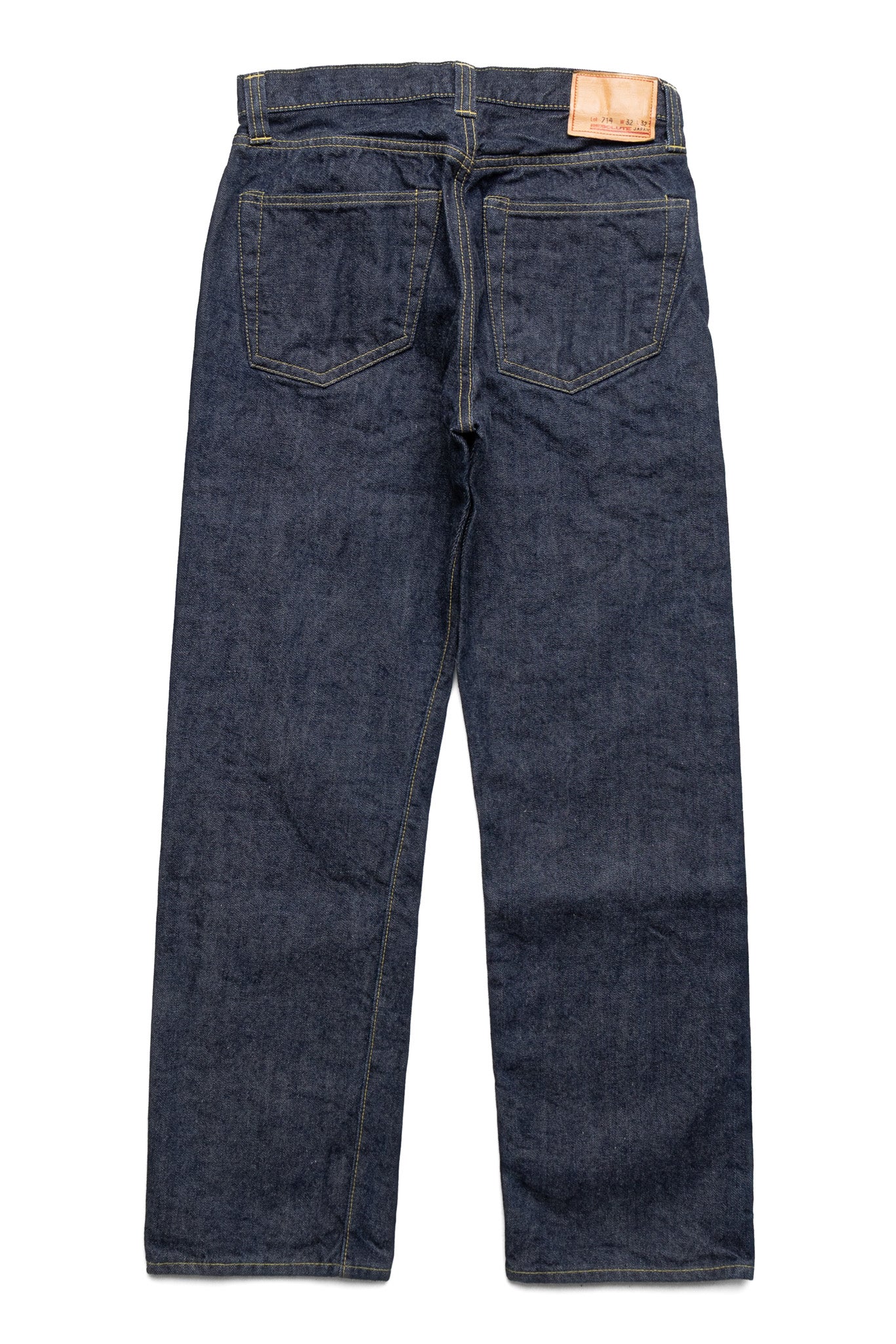
Resolute's core lineup consists of carefully developed fits, each drawing inspiration from a particular period of American workwear.
The 710 is the signature model, a relatively slim straight jean influenced by late-1960s Levi's 501s. Available in numerous waist and inseam combinations, it is designed to achieve a particularly precise fit without excessive alterations.
The 711 offers a wider silhouette inspired by 1950s work pants, making it especially appealing if your tastes run toward relaxed tailoring and vintage proportions.
Beautifully unpretentious denim from someone who knows exactly what he's doing.
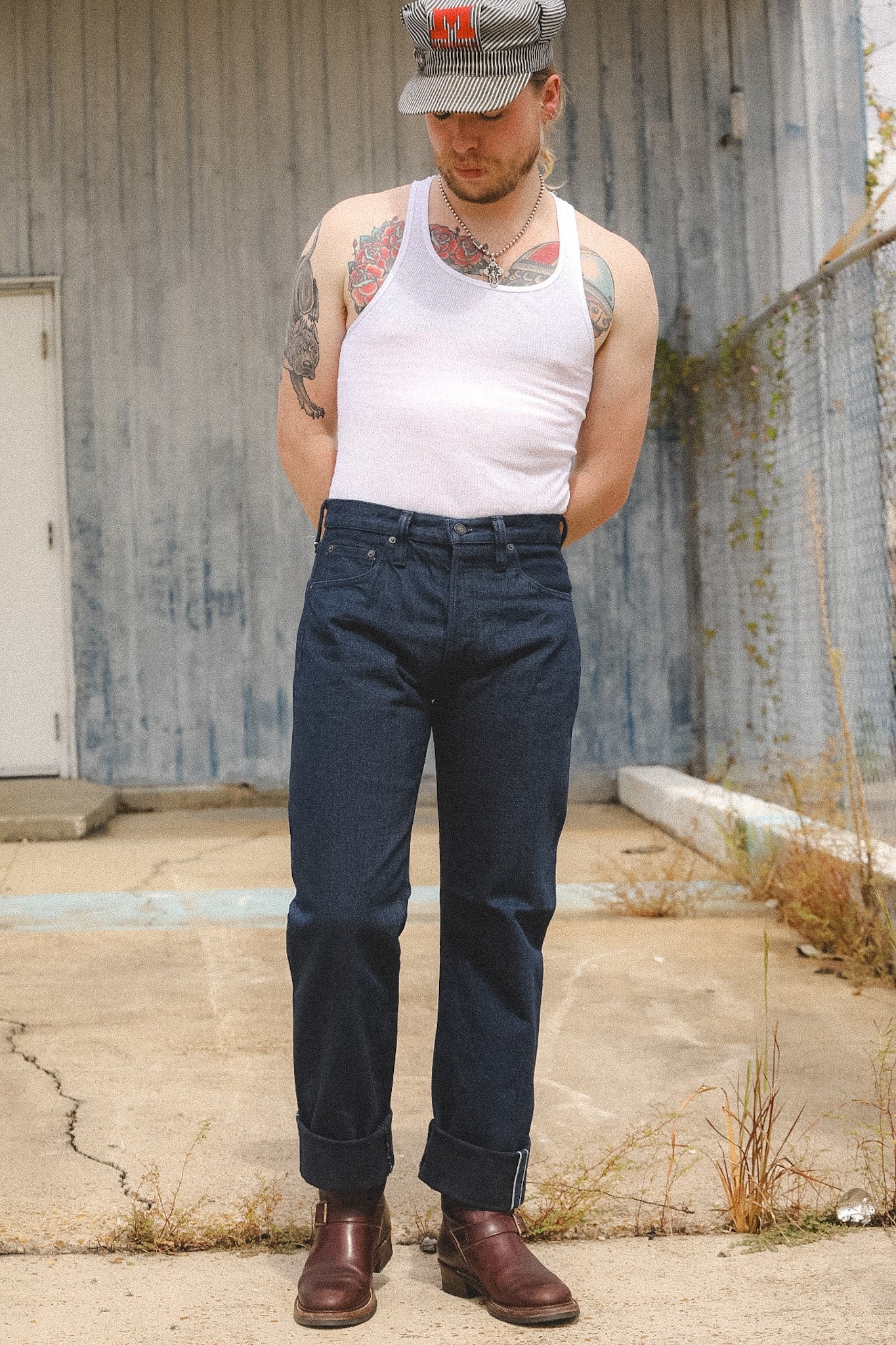
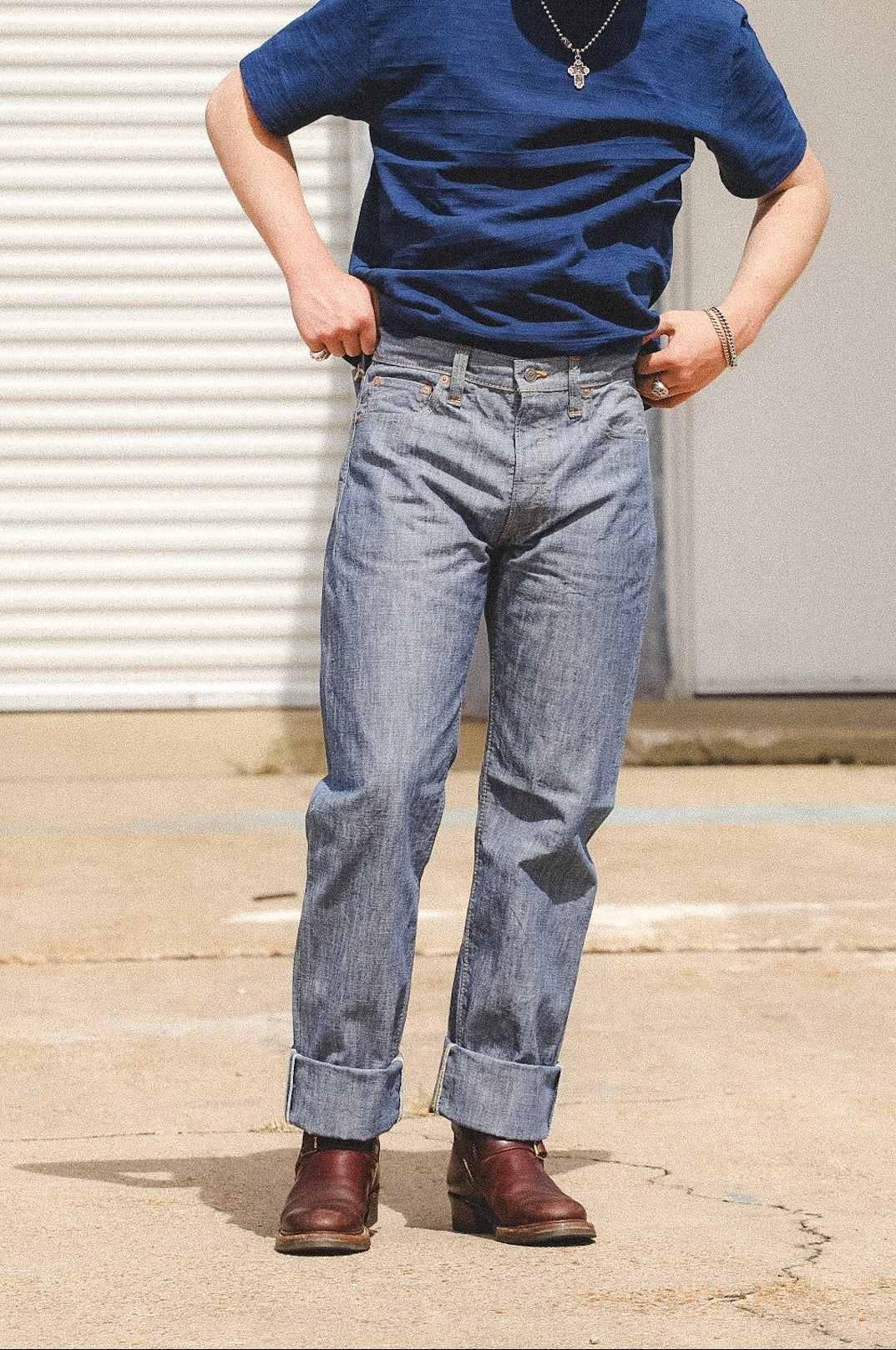
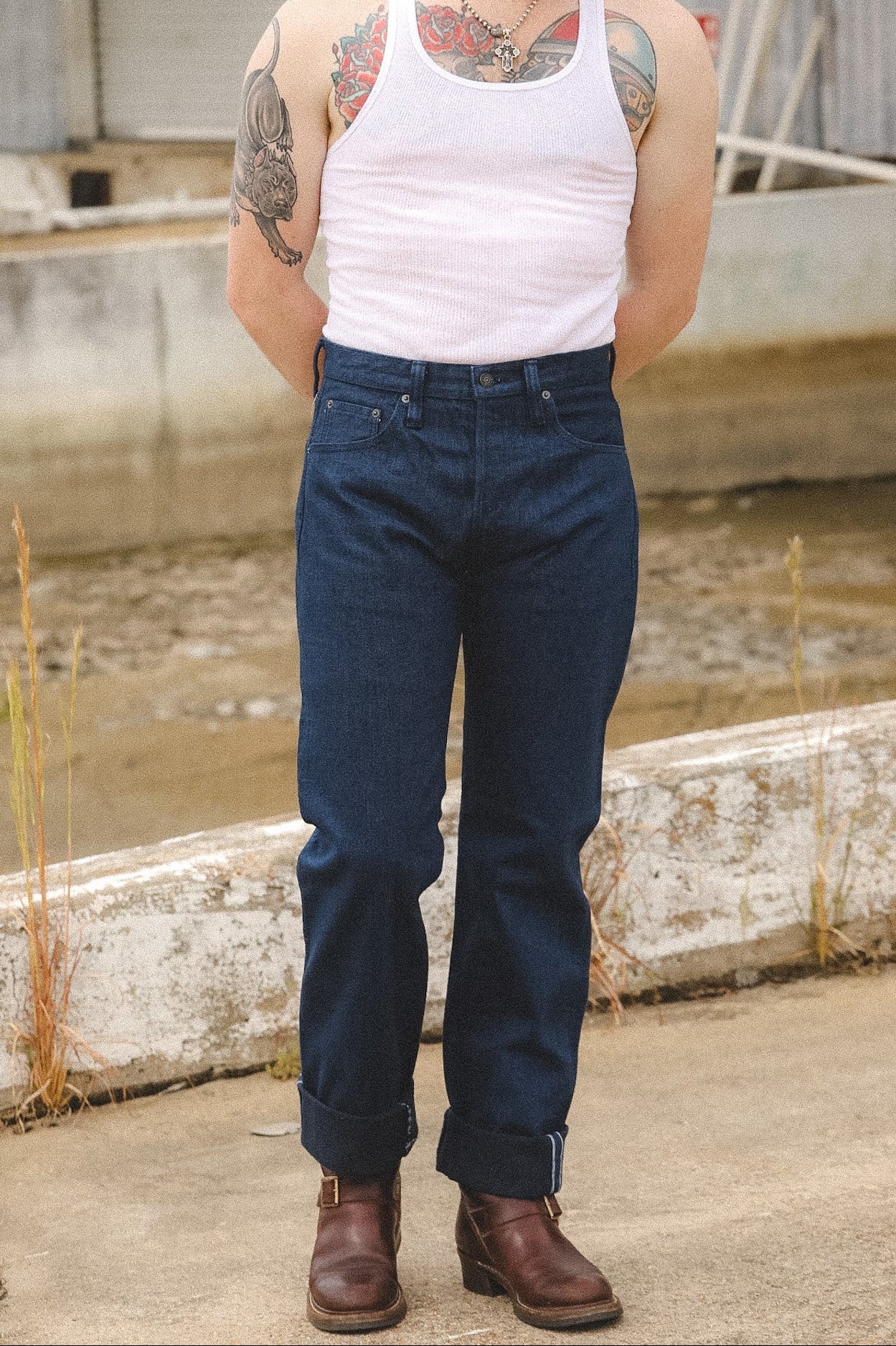
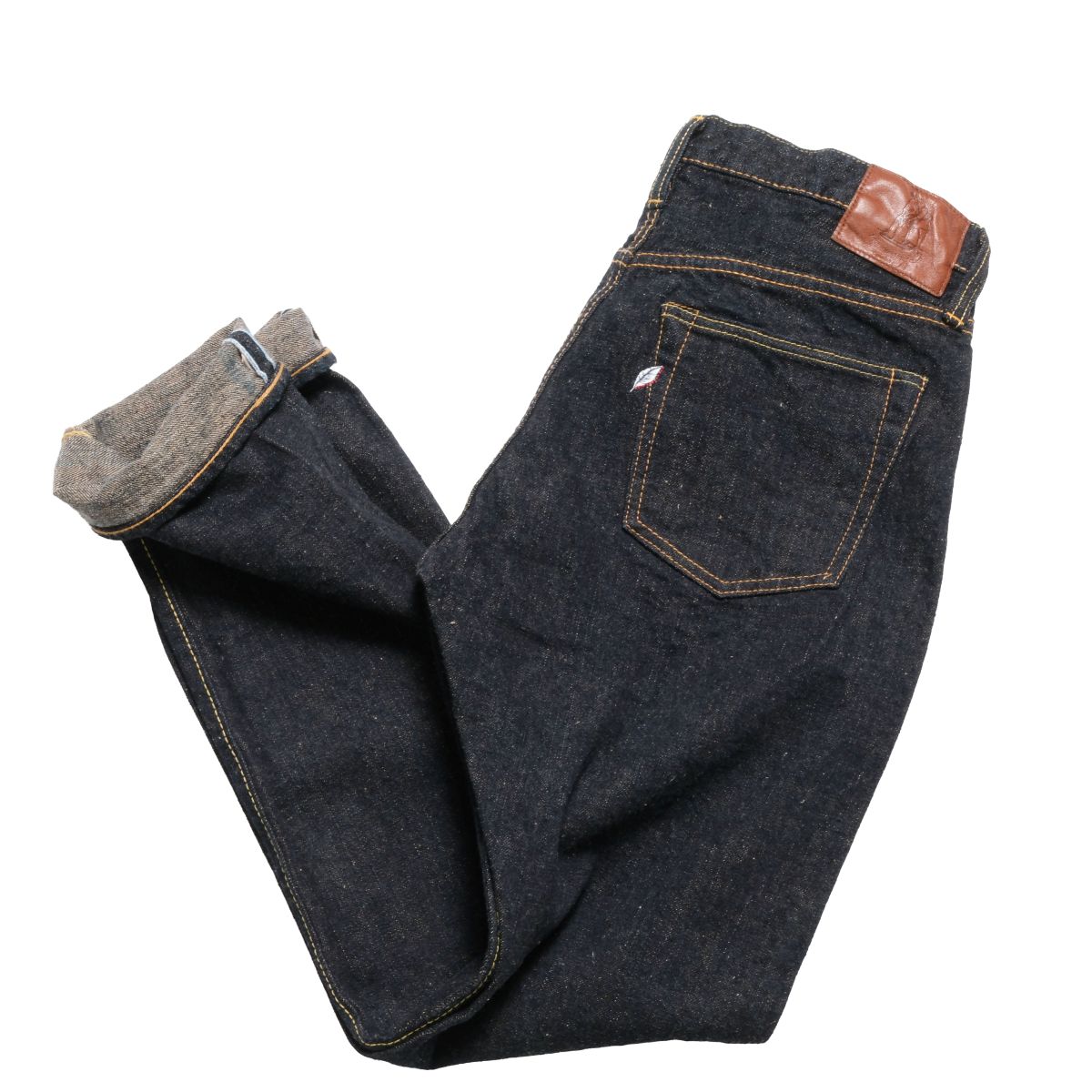
If you happen to enjoy denim that looks like it was woven during a minor geological disturbance, Pure Blue Japan should be very high on your list.
The Okayama-based maker has earned a devoted following for its wonderfully irregular fabrics, particularly those featuring pronounced slub and neppy textures.
These characteristics come from the selection of yarns and the way the denim is woven, producing surfaces that feel substantially more organic than conventional mass-produced jeans.
Pure Blue Japan is equally celebrated for its exploration of indigo, including deep blue shades and fabrics that develop beautiful fading patterns with wear.
Some of its jeans possess an almost handwoven appearance. Others are surprisingly refined.
The common denominator is an obsessive interest in what denim can look and feel like.
Start with: XX-019 relaxed tapered jeans or one of its slub denim releases.
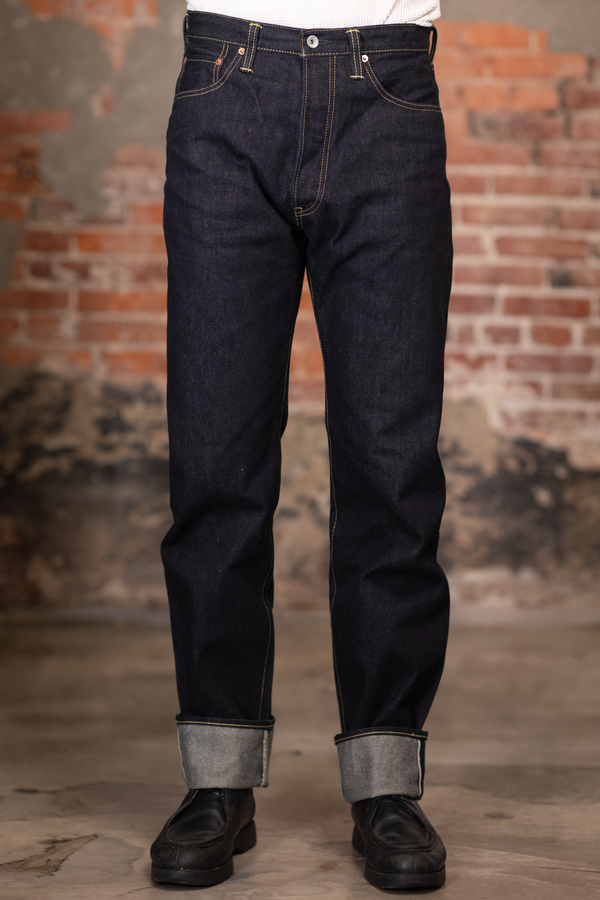
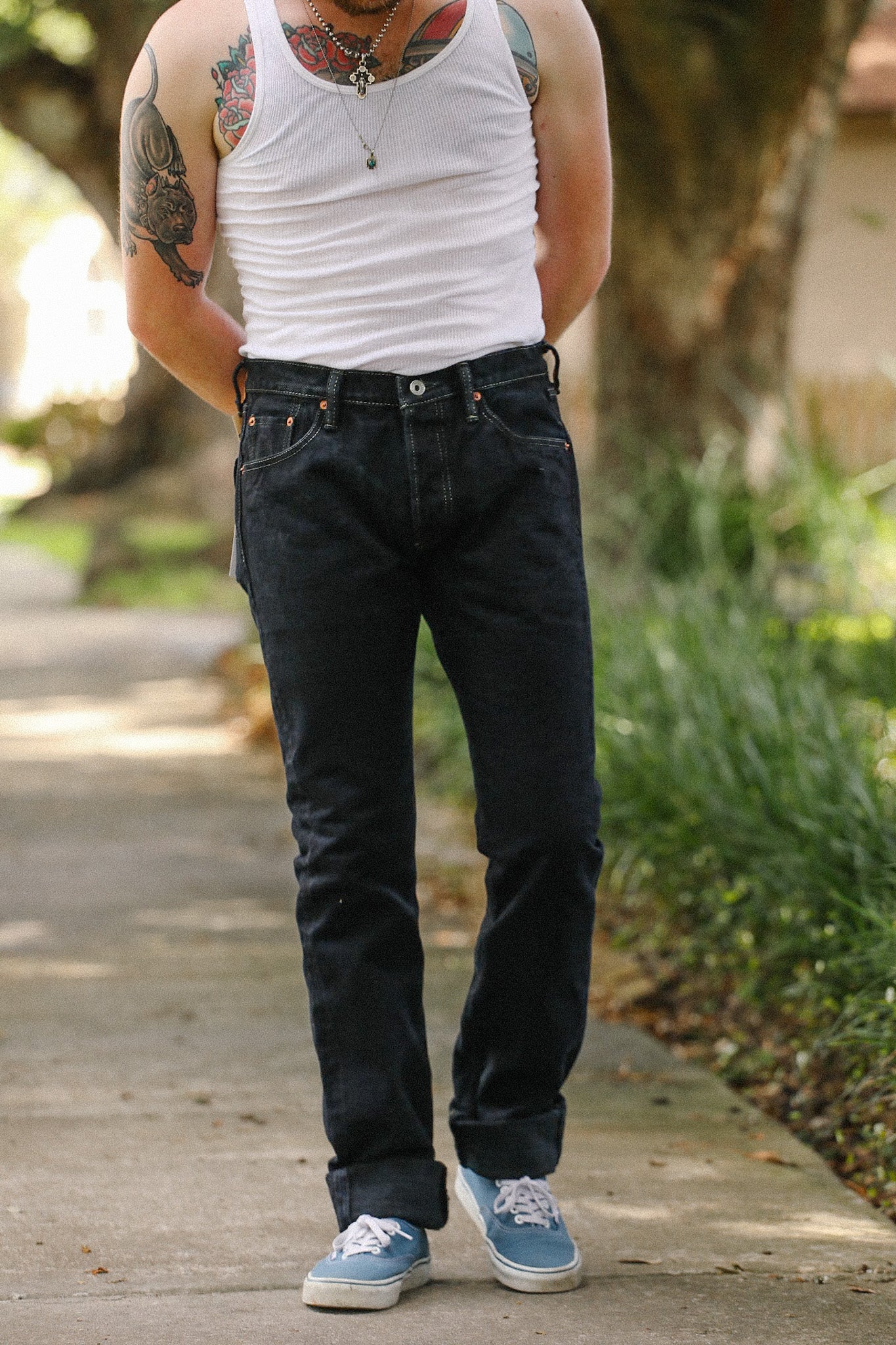
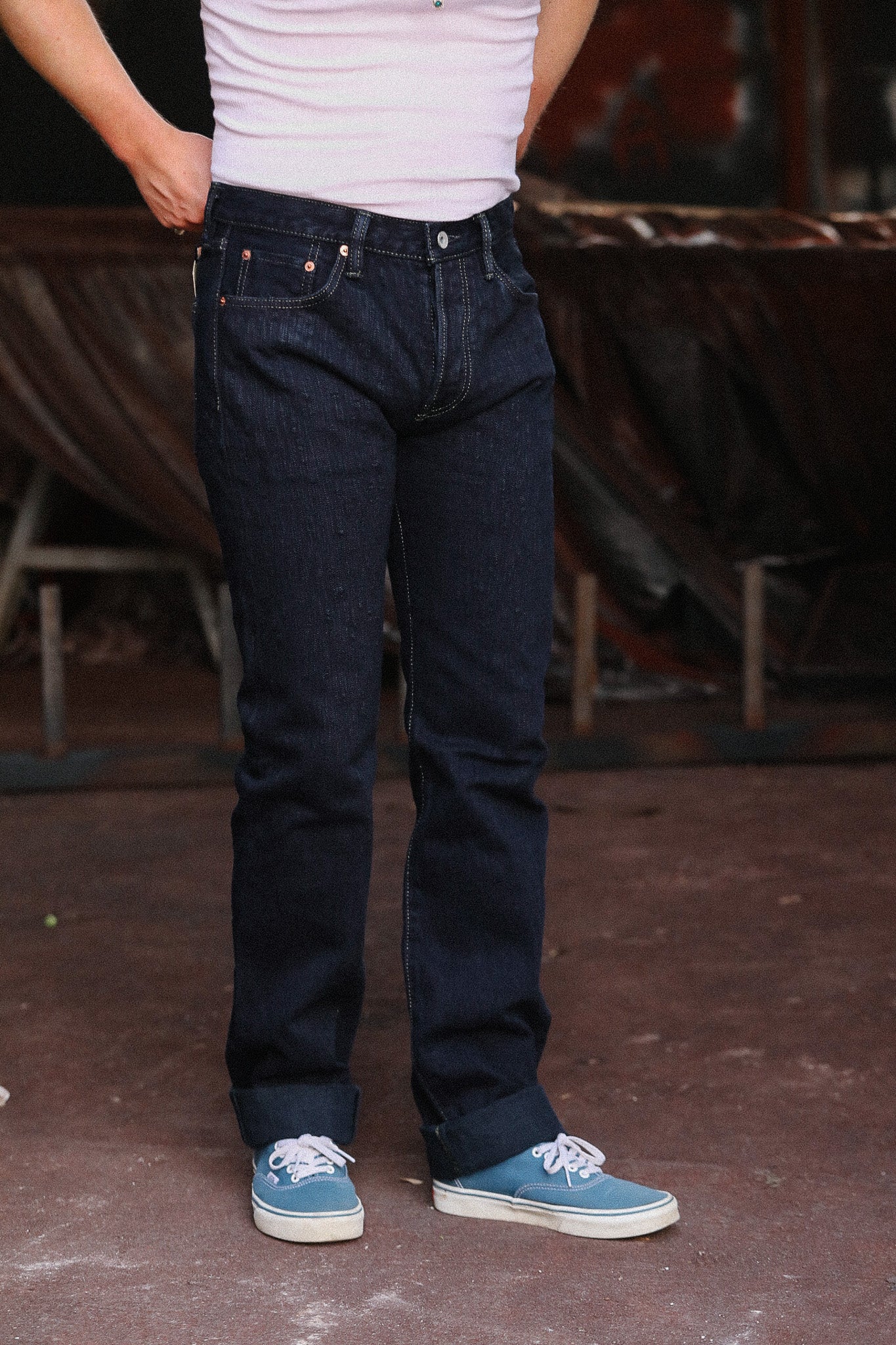
Iron Heart makes jeans for people who believe 14-ounce denim is a lightweight summer fabric.
Founded by Shinichi Haraki in 2003, the brand originally developed its clothing with Japanese motorcyclists in mind. Durability, substantial materials, and traditional construction remain central to its philosophy.
Its signature 21-ounce denim is legendary among enthusiasts, offering a remarkable combination of weight, comfort after break-in, and impressive fading potential.
For the particularly adventurous, Iron Heart has also produced 25-ounce denim. Wearing a fresh pair can feel like negotiating with an especially stubborn piece of industrial equipment.
But once broken in, these jeans develop a character that's difficult to replicate.
Iron Heart also deserves credit for maintaining a remarkably consistent approach to fit, materials, and customer service.
Serious jeans for serious denim devotees.
Start with: 21oz 634 straight or 888 high-rise tapered jeans.
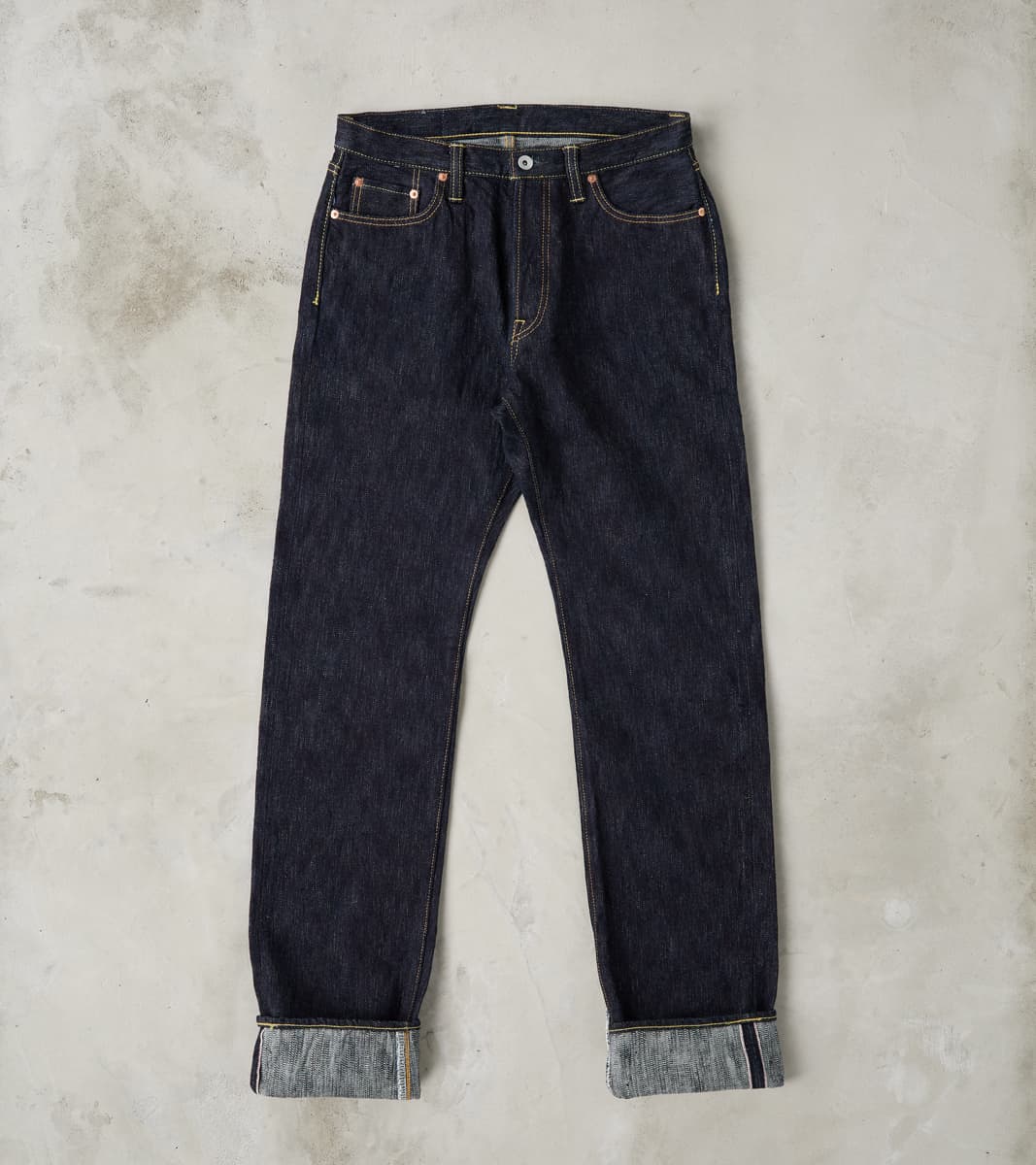
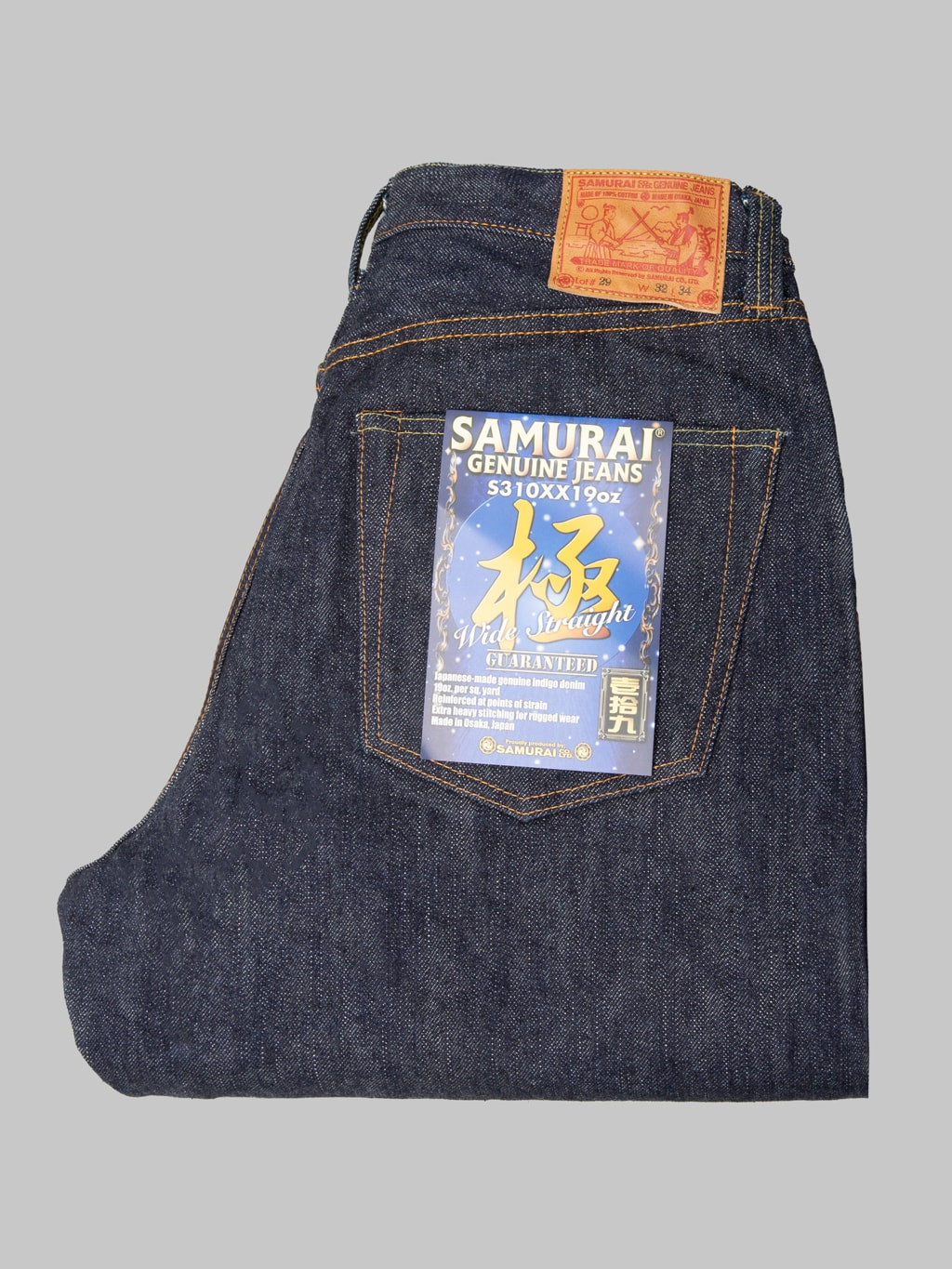
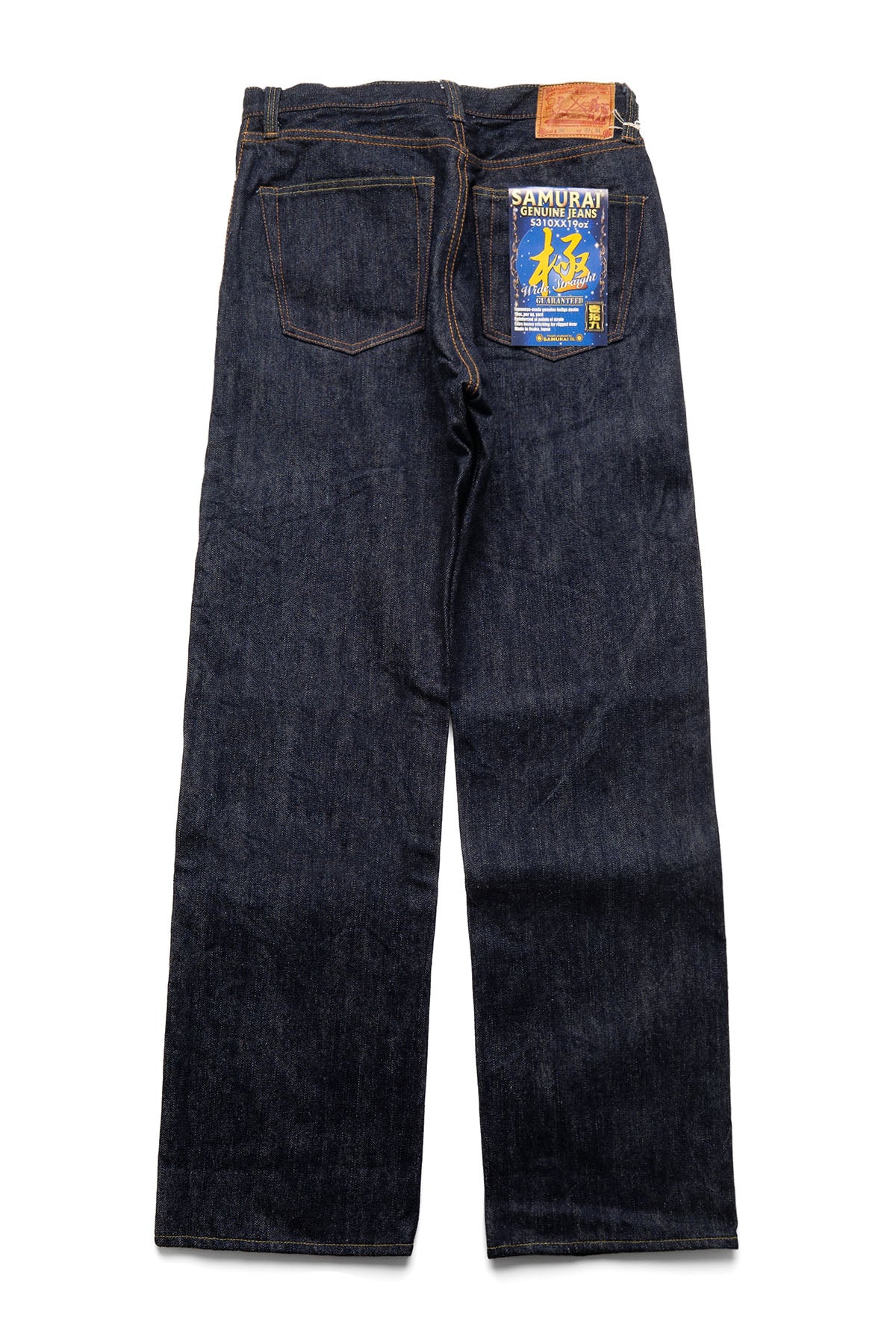
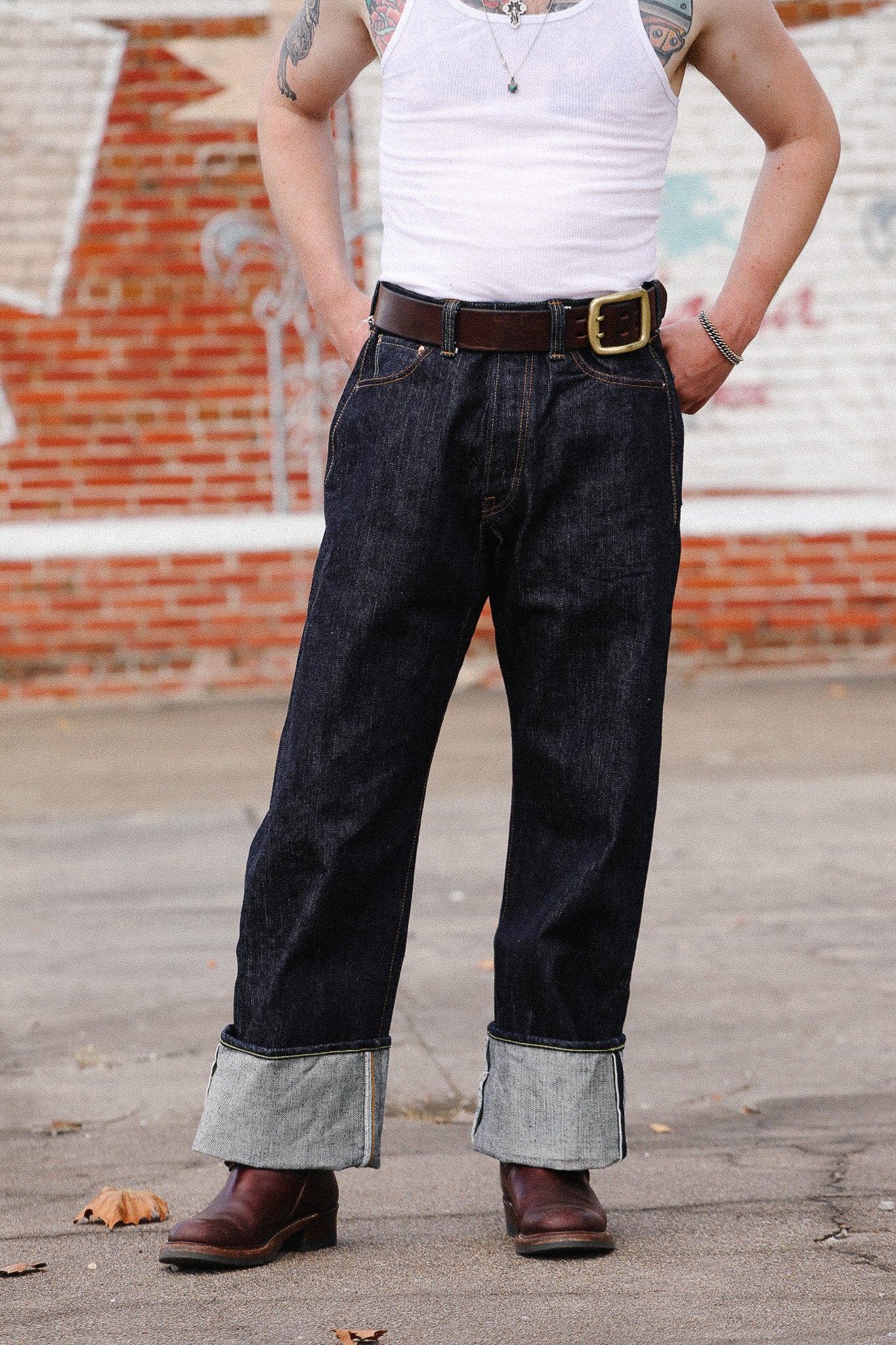
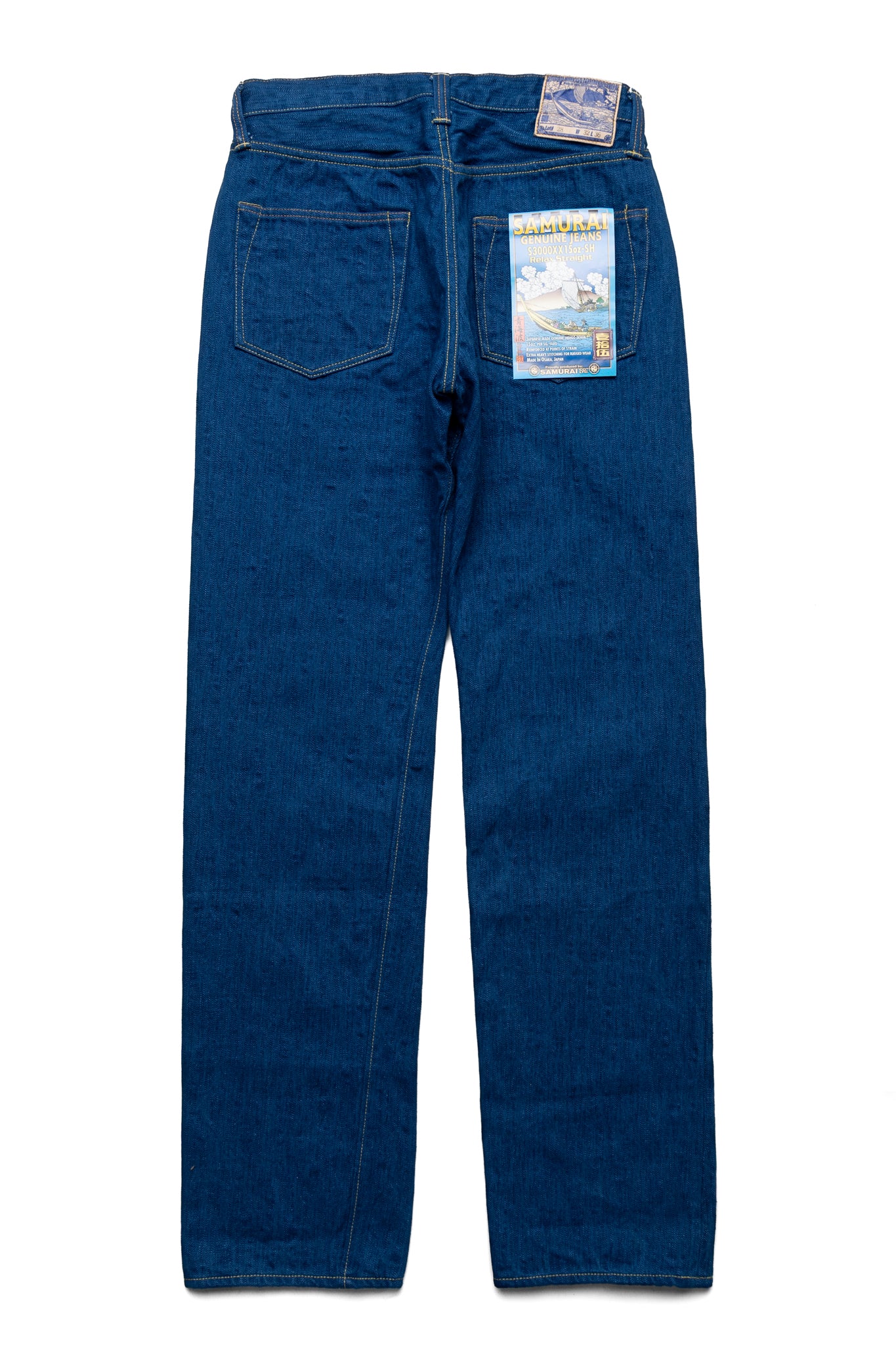
Founded in Osaka in 1998, the company has built an extraordinary reputation for heavy denim, deeply saturated indigo, and an almost heroic commitment to developing original fabrics.
Its jeans frequently incorporate carefully selected cotton, specially spun yarns, and elaborate weaving techniques designed to create distinctive textures and dramatic fading.
Samurai has experimented with denim weighing 21, 24, and even 25 ounces. The brand has also undertaken the ambitious task of cultivating Japanese cotton, seeking to bring more of the production process under domestic control.
There's something wonderfully excessive about the whole enterprise.
And beneath the theatrical samurai imagery sits one of the most technically accomplished denim operations in Japan.
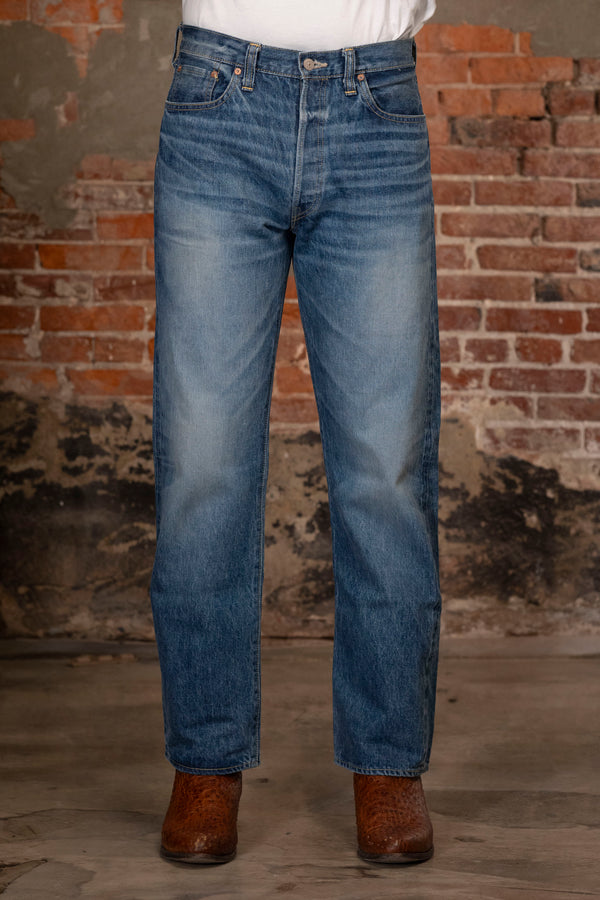
Sugar Cane, part of Japan's Toyo Enterprise family, has been studying vintage American workwear for decades.
Its jeans are celebrated for their historically informed construction, authentic silhouettes, and distinctive fabrics.
The brand has also experimented with incorporating sugarcane fibers into its denim, an appropriately unusual endeavor considering its name.
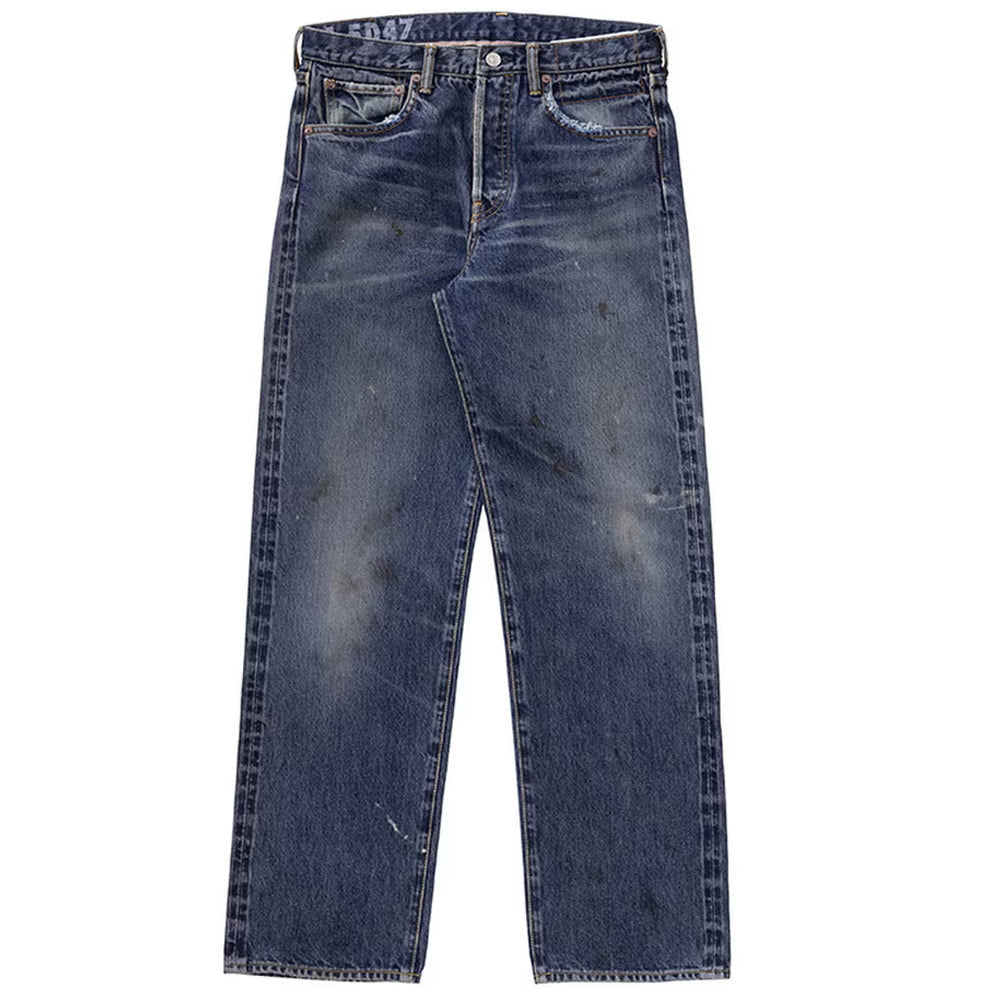
What makes Sugar Cane particularly appealing is its ability to produce genuinely excellent vintage-inspired jeans without the extraordinary prices attached to some of Japan's more exclusive labels.
Its 1947 model is widely regarded as an especially successful interpretation of postwar American denim, featuring a classic straight fit and carefully reproduced period details.
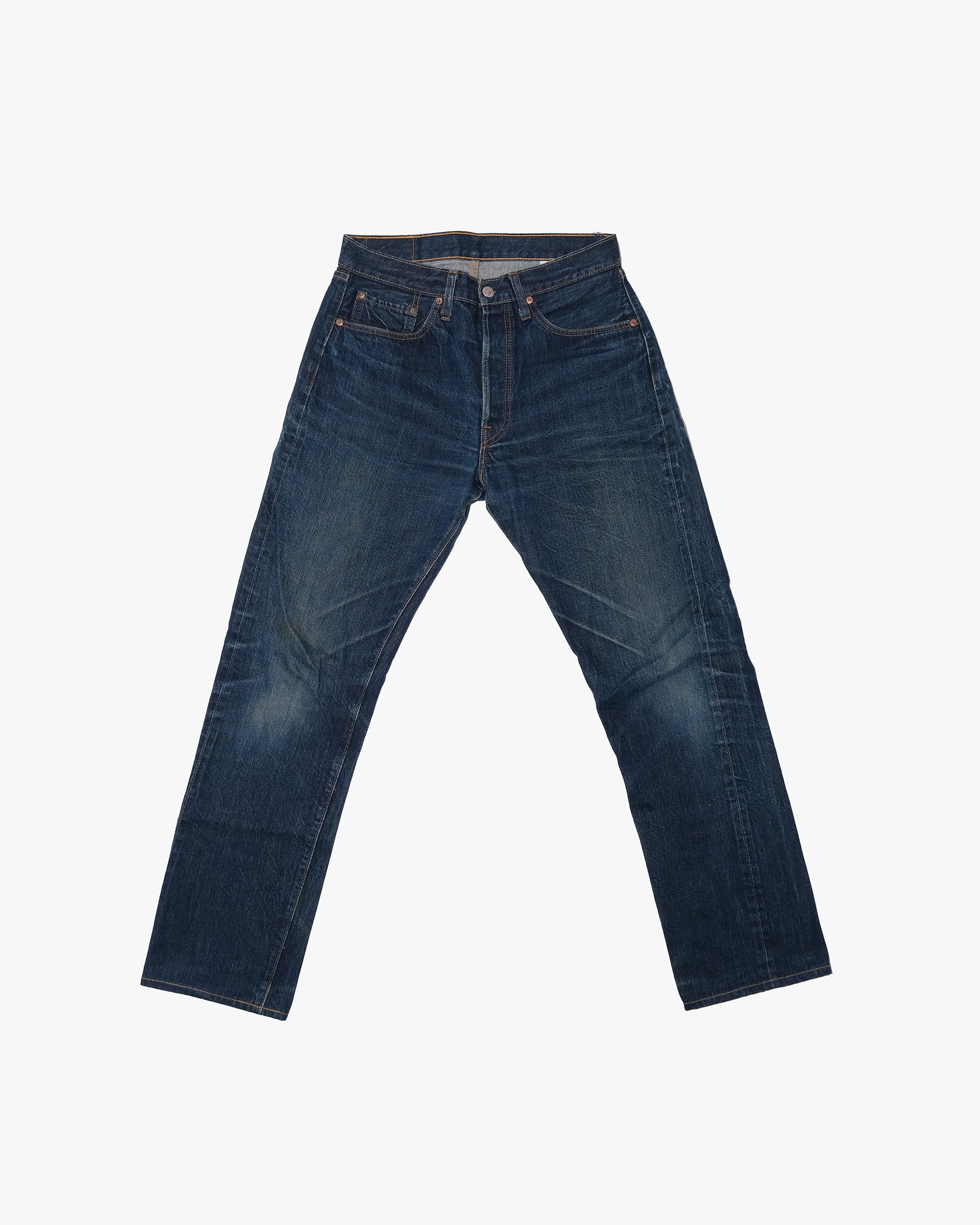
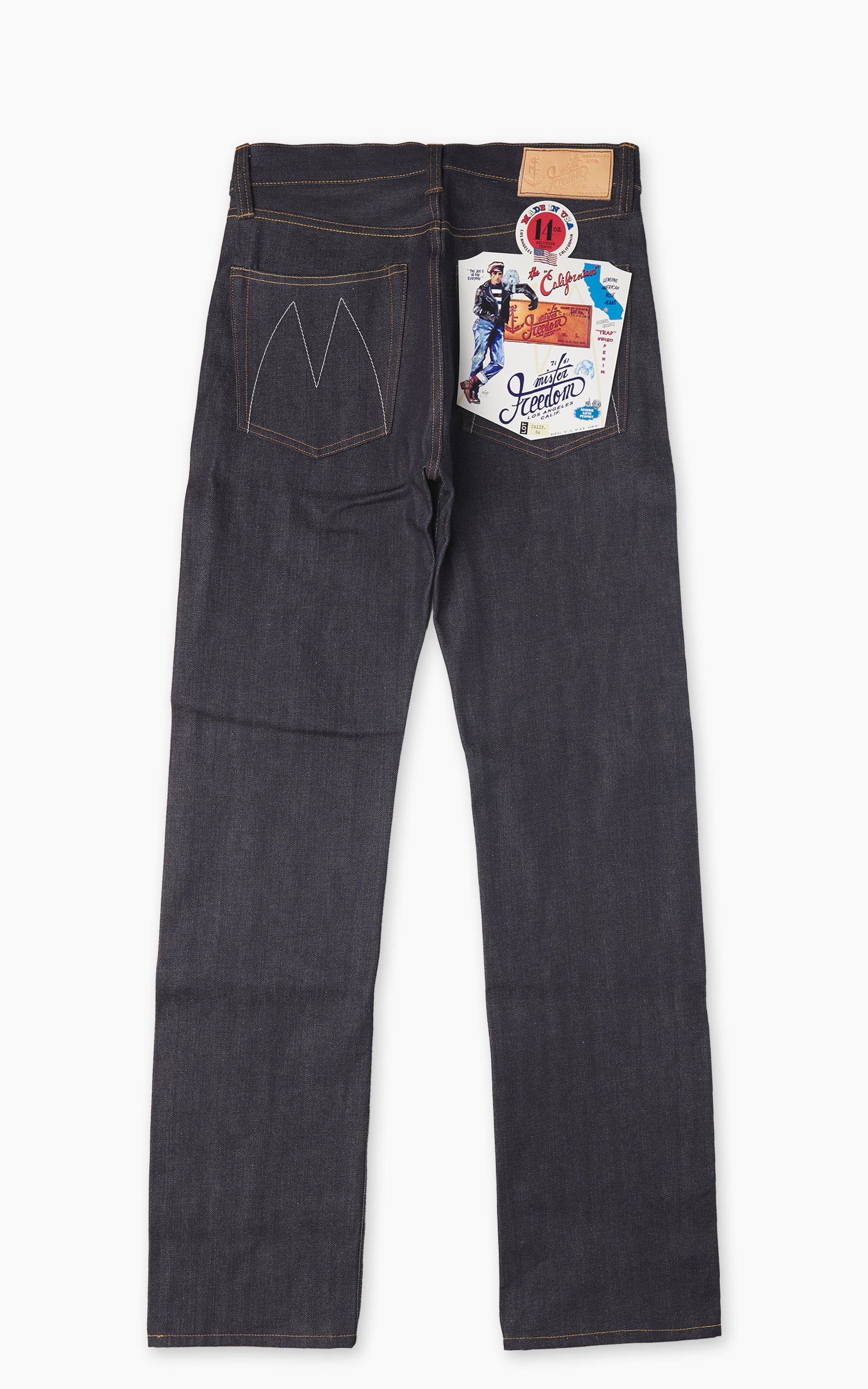
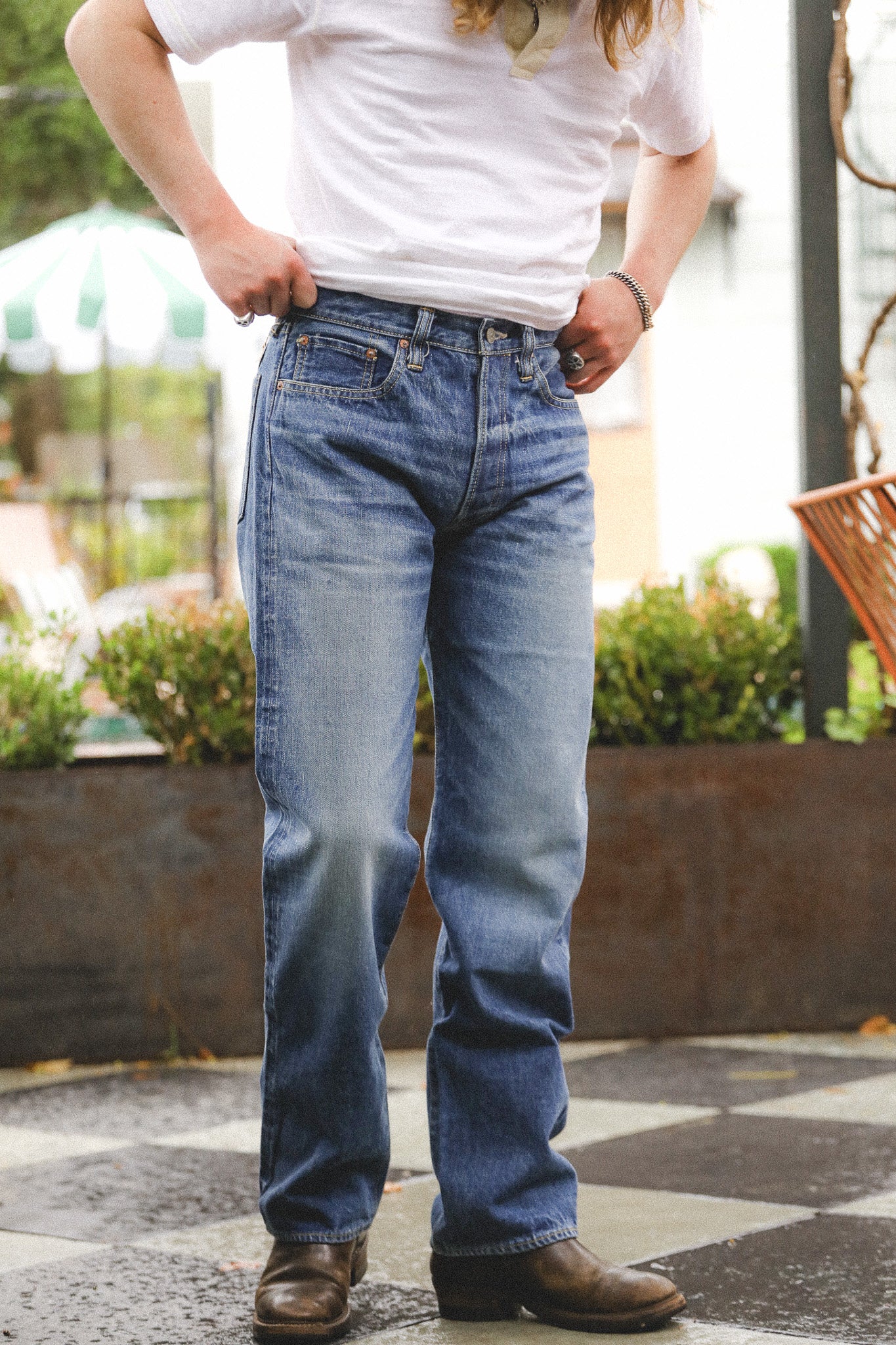
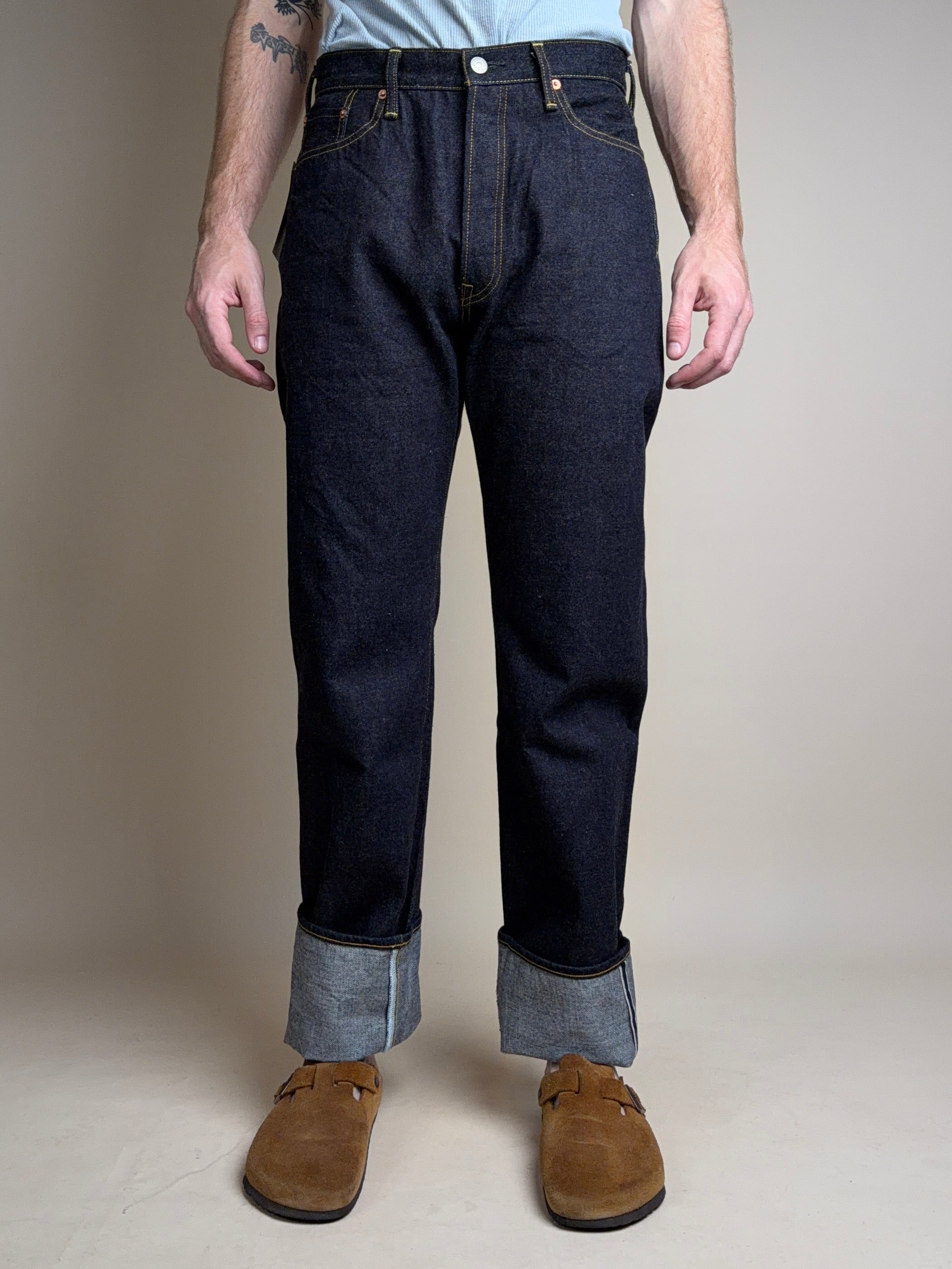
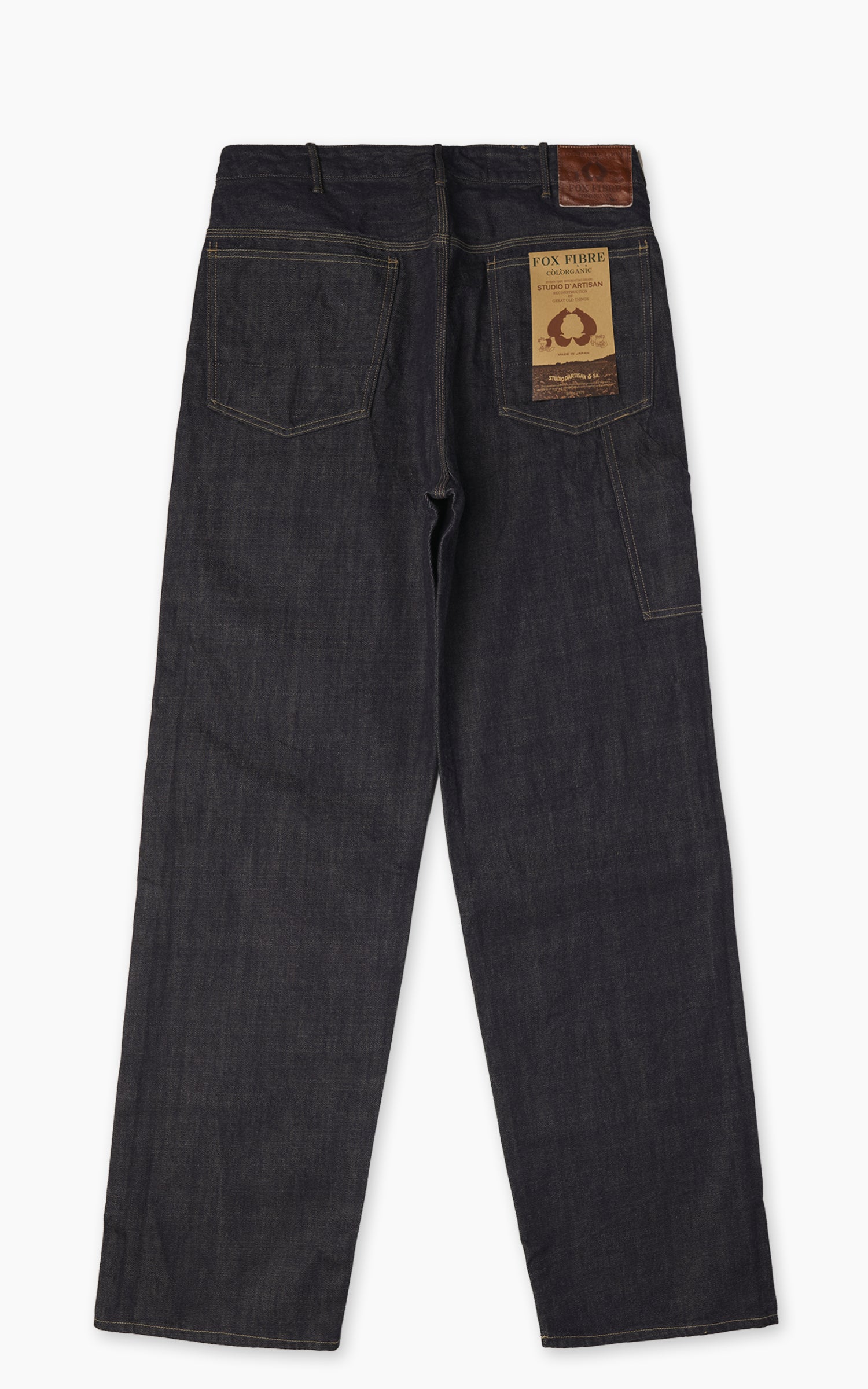
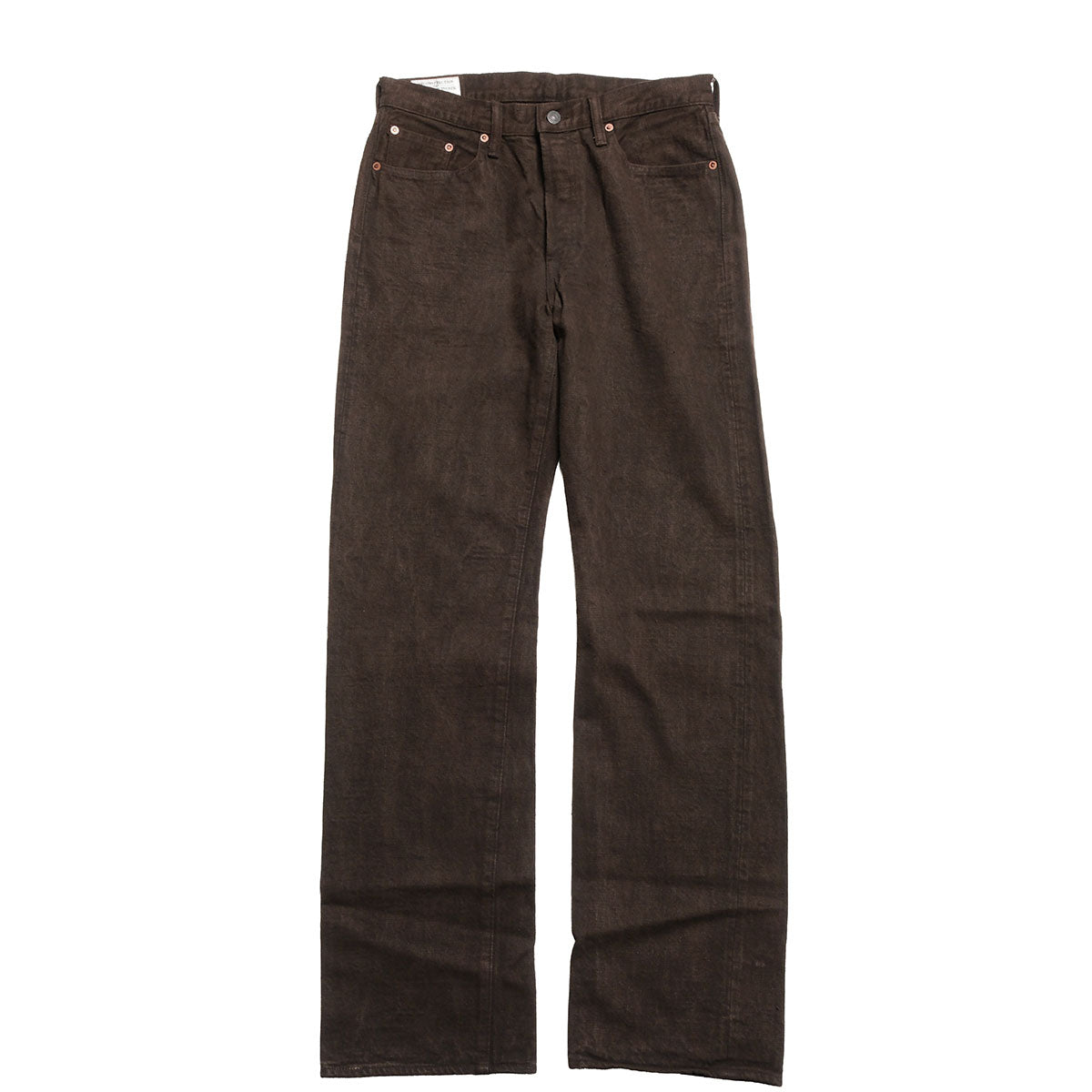
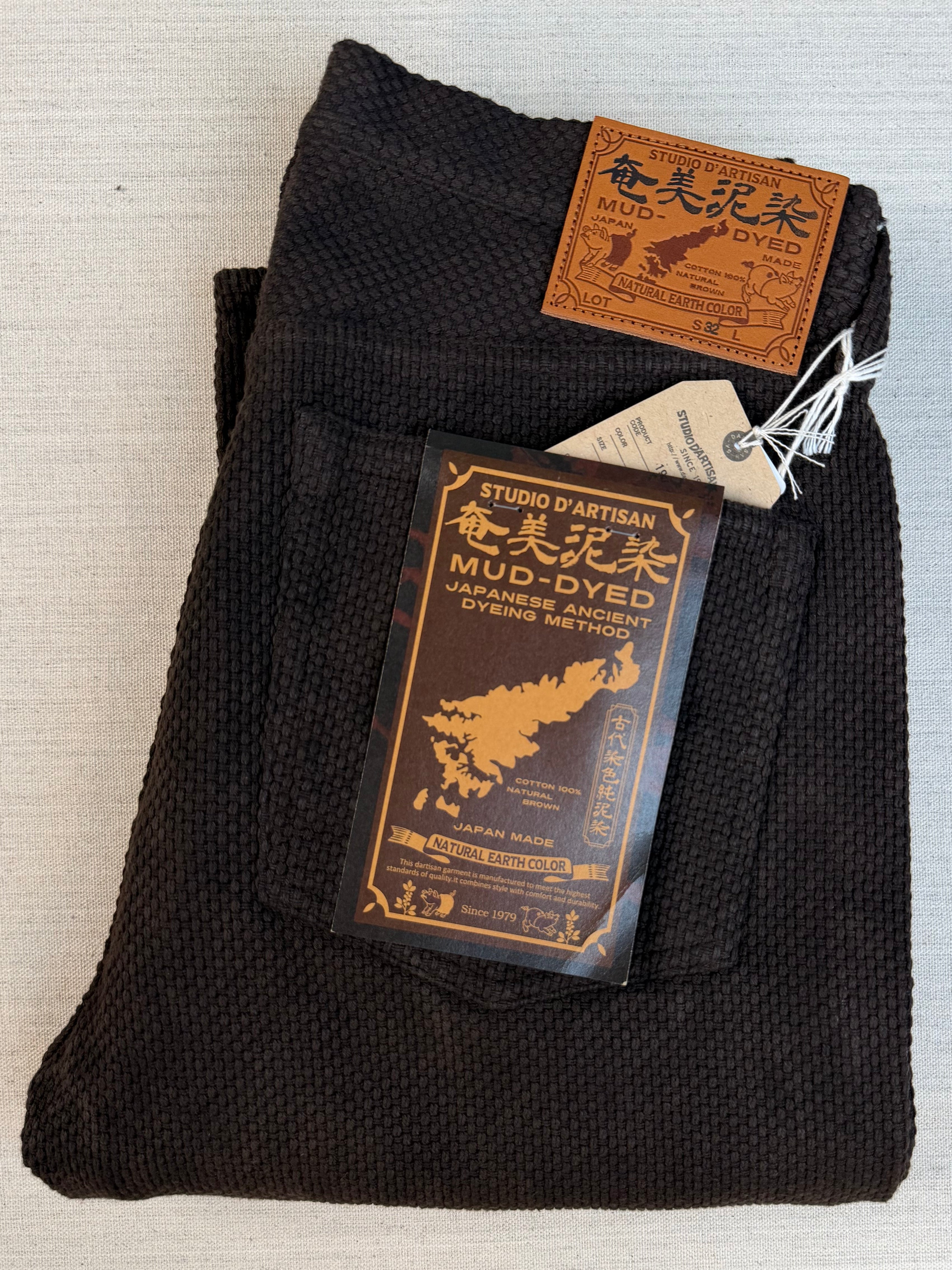
Founded in Osaka in 1979, Studio D'Artisan is one of the founding members of the celebrated Osaka Five, the group of labels that helped establish Japan's reputation for extraordinary reproduction denim.
The brand's commitment to traditional weaving, dyeing, and garment construction helped demonstrate that the quality of vintage American jeans could be recreated—and occasionally surpassed.
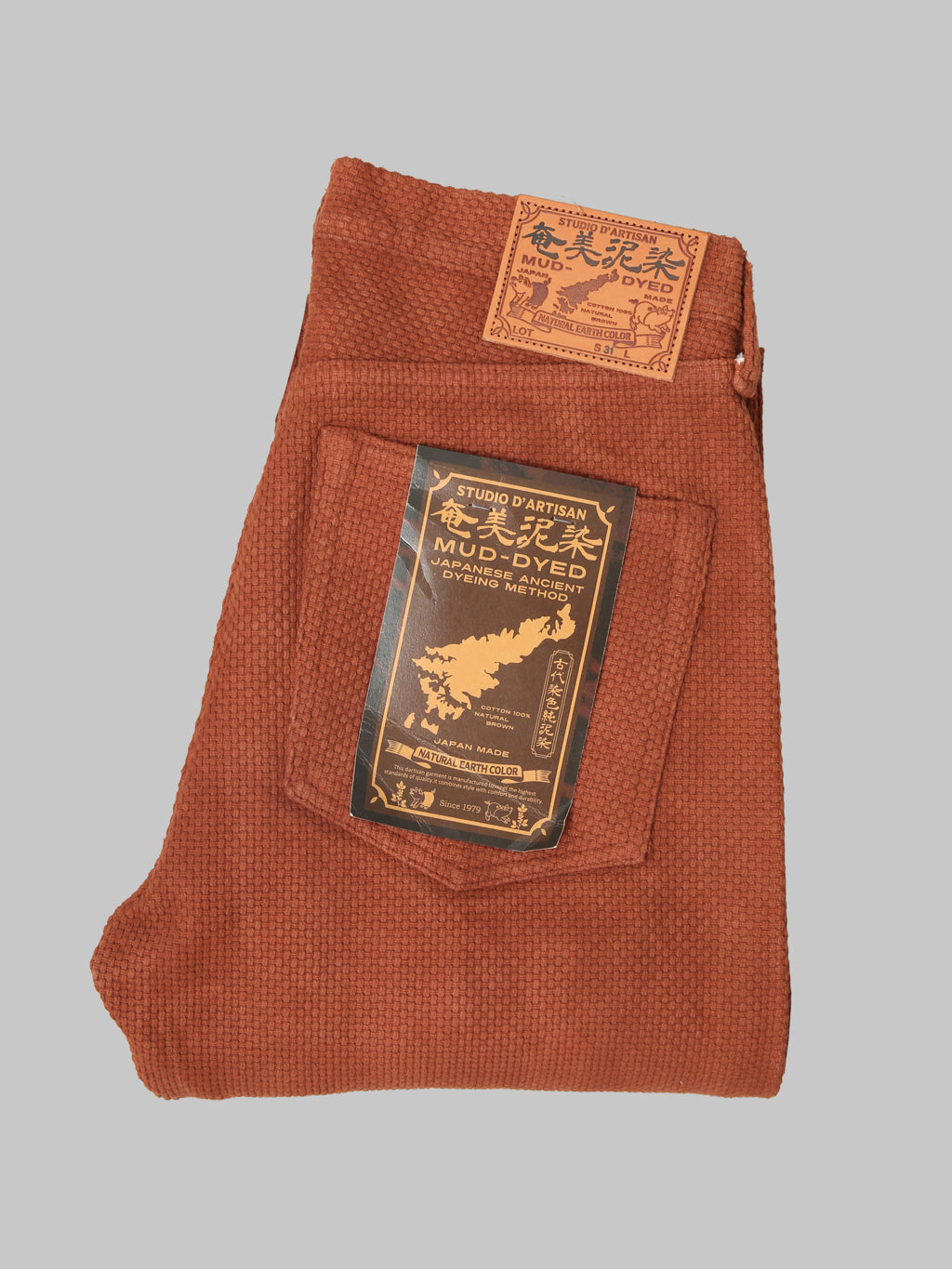
Studio D'Artisan has produced an astonishing variety of denim fabrics over the years, experimenting with cotton varieties, natural dyes, historical weaving techniques, and unusual finishes.
The company's little pig mascot provides some welcome levity to an otherwise serious pursuit.
Four decades into its existence, Studio D'Artisan remains essential reading for anyone investigating Japanese denim history.
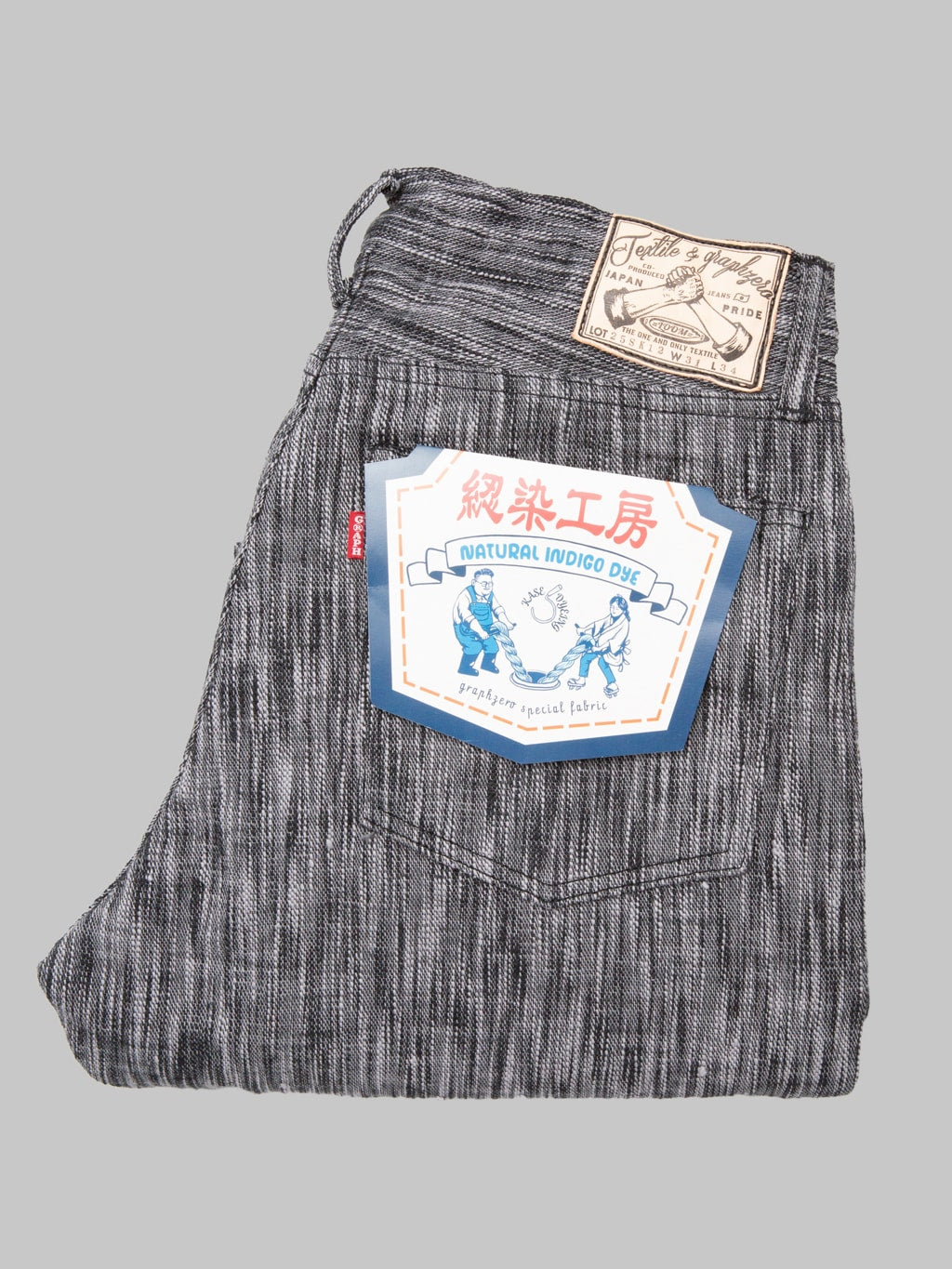
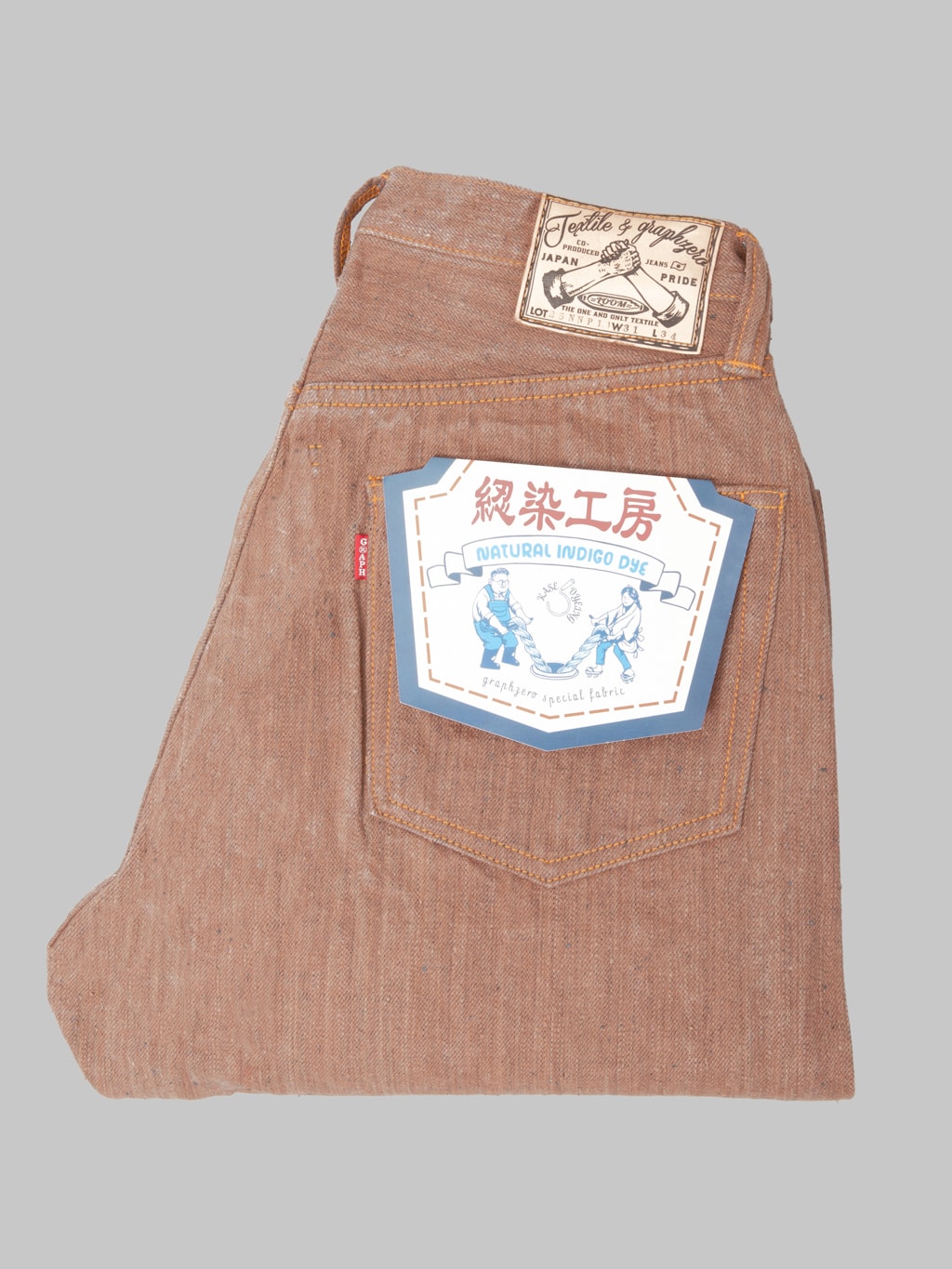
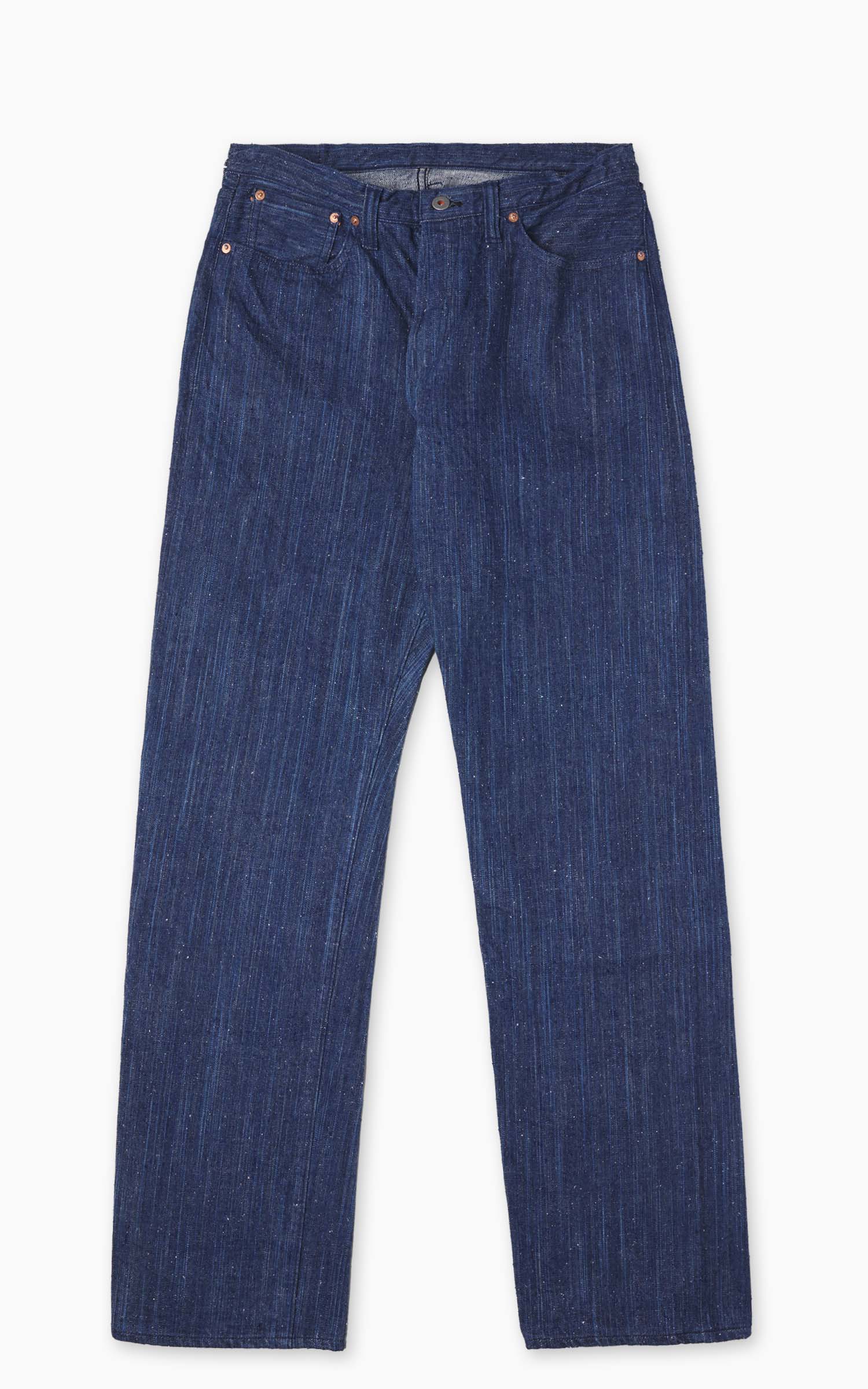
Graph Zero is one of those wonderful discoveries that reminds us just how deep Japan's denim rabbit hole goes.
Founded by Tetsuya Suzuki in Kojima, the brand develops original textiles and manufactures clothing with an unusually experimental approach to weaving.
Its fabrics frequently incorporate unusual patterns, textures, and constructions that distinguish them from more conventional heritage denim.
The company's interest extends well beyond jeans. Jackets, shirts, and other garments make extensive use of textiles developed through its manufacturing operation.
What we particularly appreciate is the brand's willingness to experiment without abandoning the practical virtues of everyday clothing.
Graph Zero is a fine choice for anyone seeking Japanese denim with an adventurous disposition.
Start with: Original woven denim jeans and work jackets.
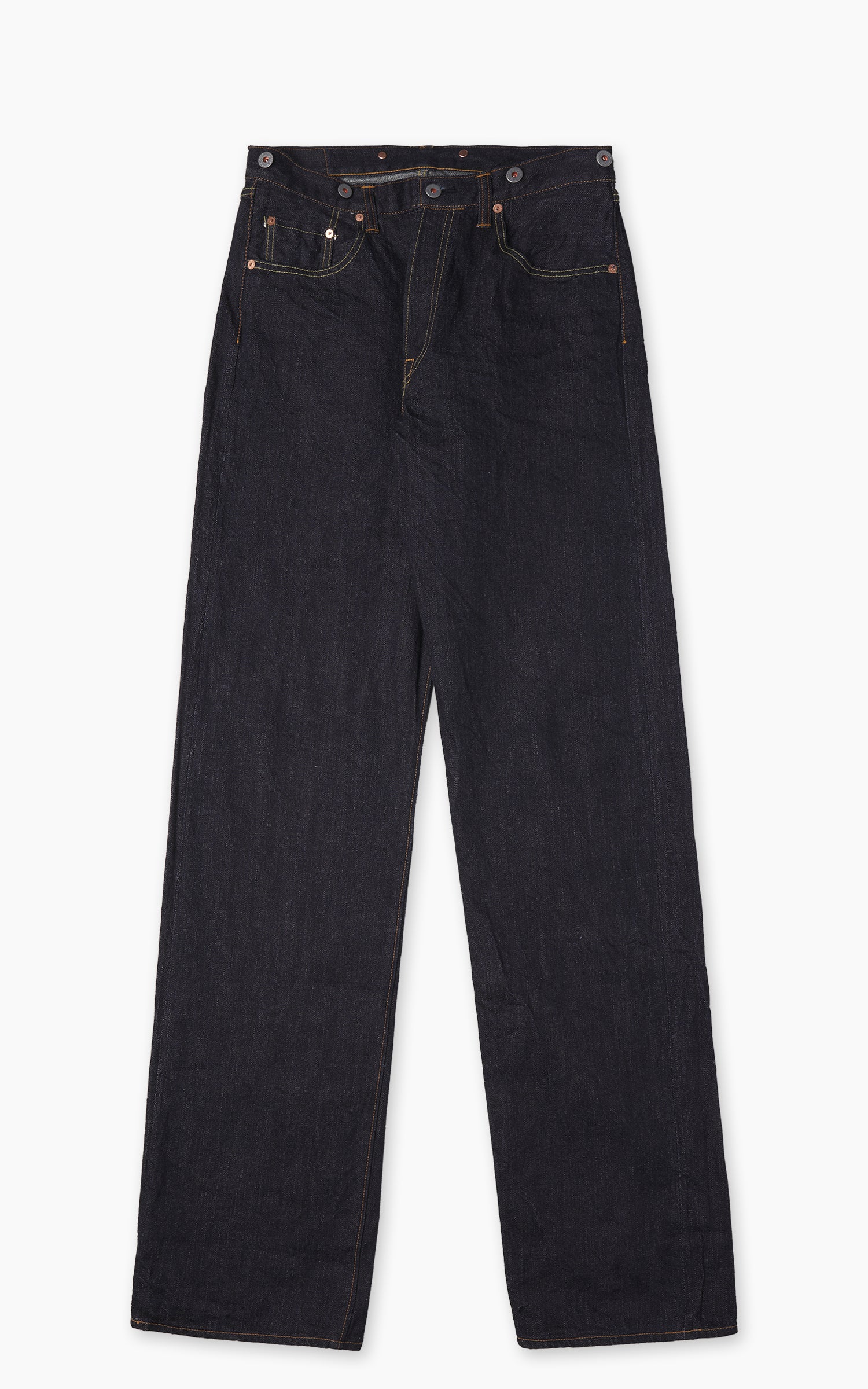
Fullcount occupies a special place in Japanese denim history.
Founded in Osaka in 1992, the brand became closely associated with the use of long-staple Zimbabwean cotton, prized for its softness and strength.
This gives Fullcount's denim a particularly appealing balance of durability and comfort, even when produced using traditional vintage-inspired construction methods.
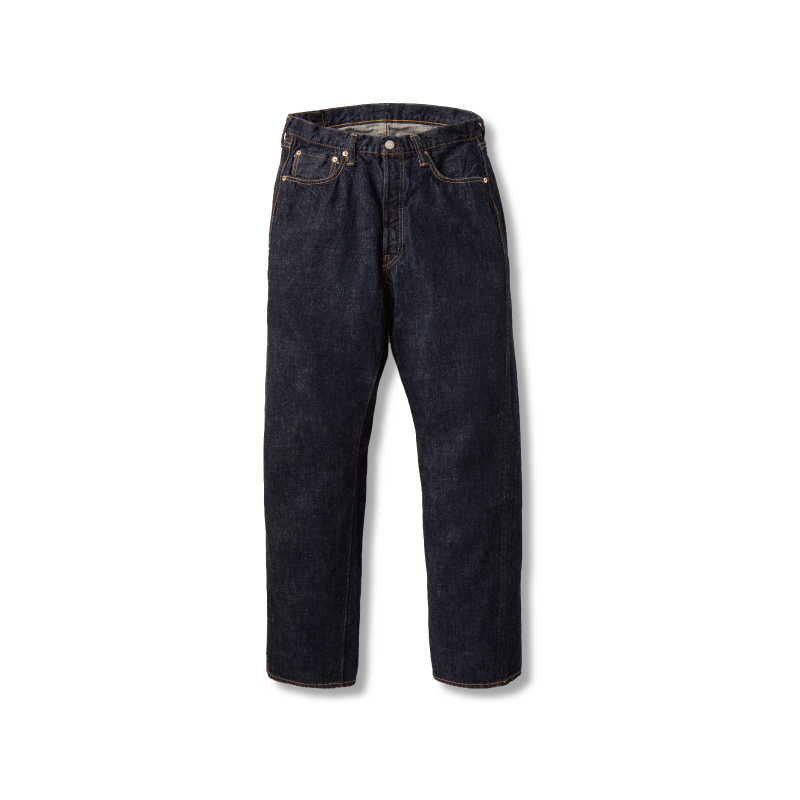
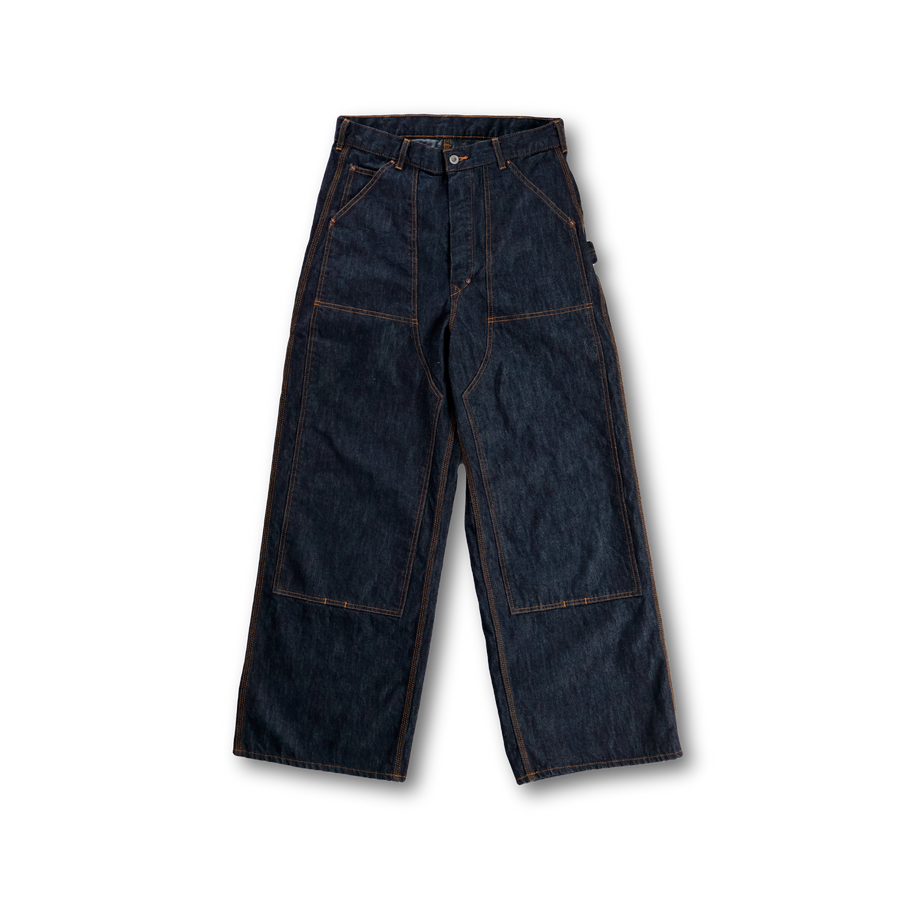
Its jeans draw heavily from midcentury American workwear, with relaxed silhouettes, carefully considered stitching, and beautifully balanced proportions.
The 1108 offers a slim straight fit, while the 0105 provides a fuller silhouette.
Fullcount is a particularly good choice for anyone who appreciates the character of raw denim but would prefer not to spend six months breaking in something resembling medieval armor.
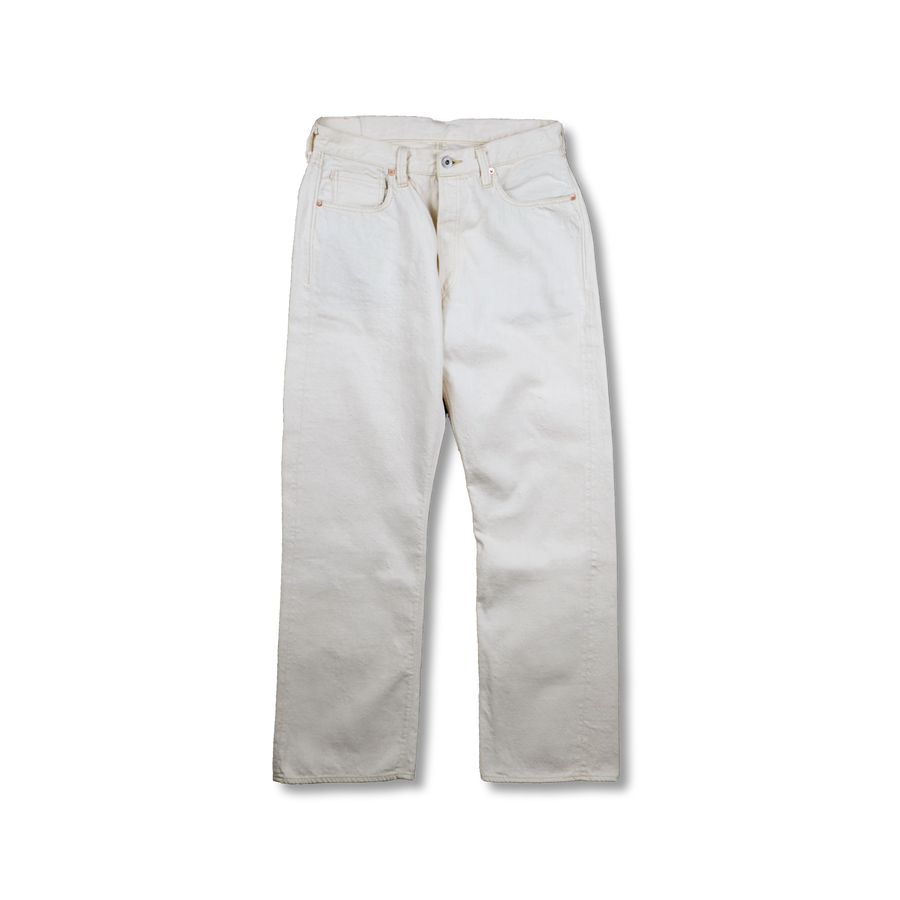
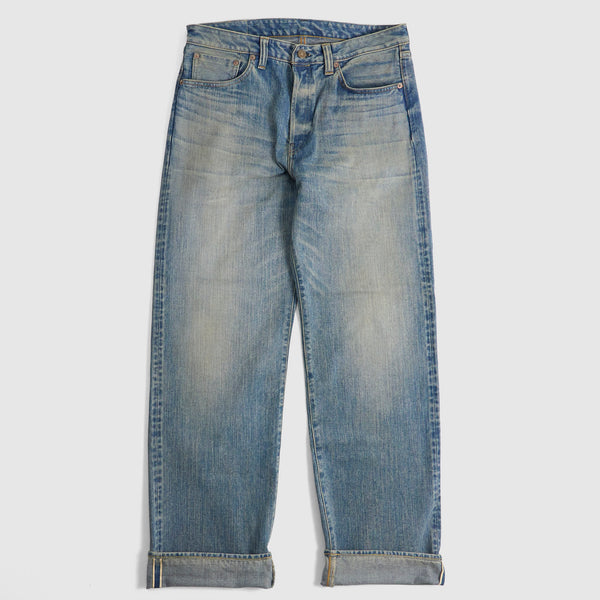
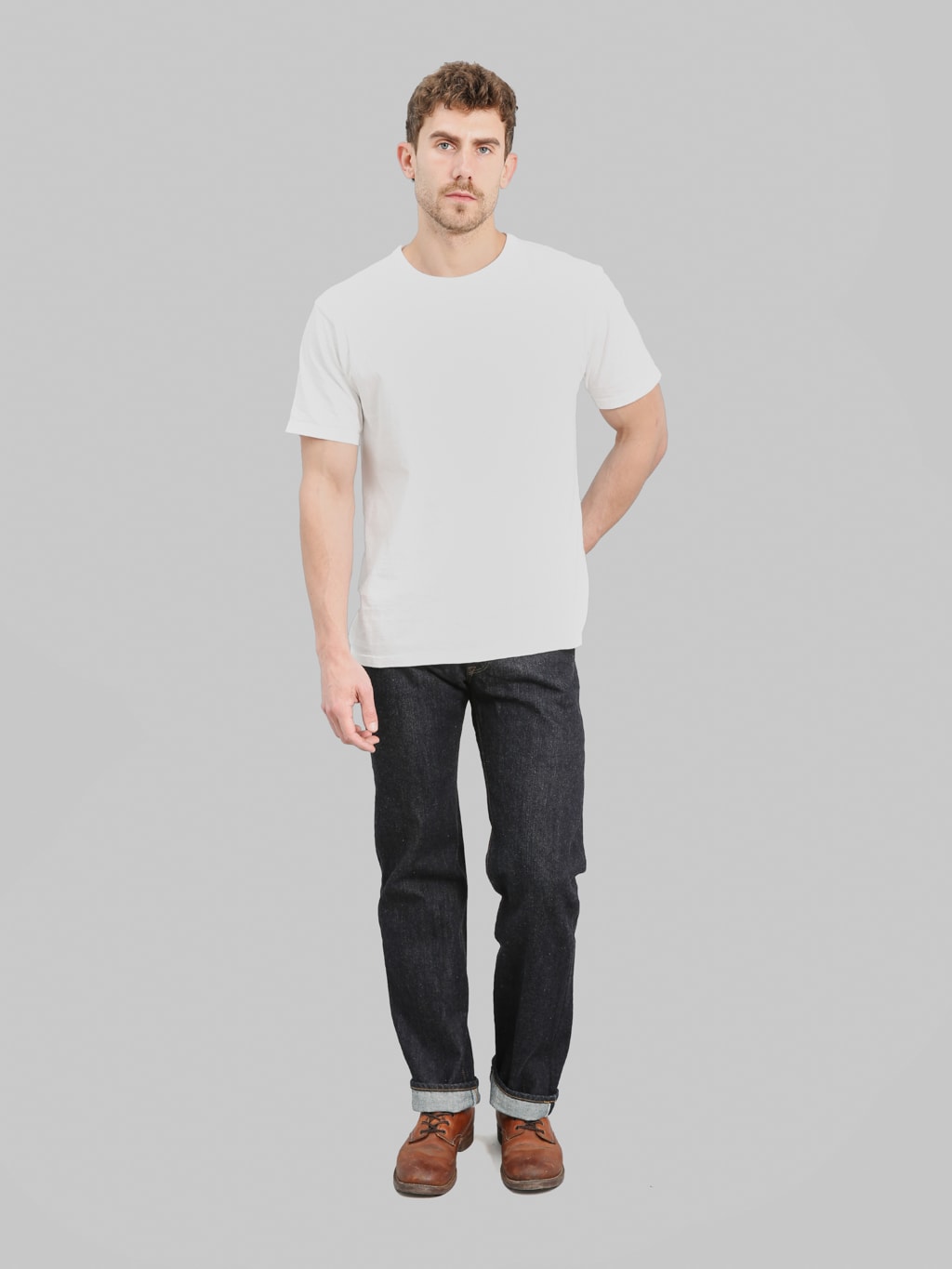
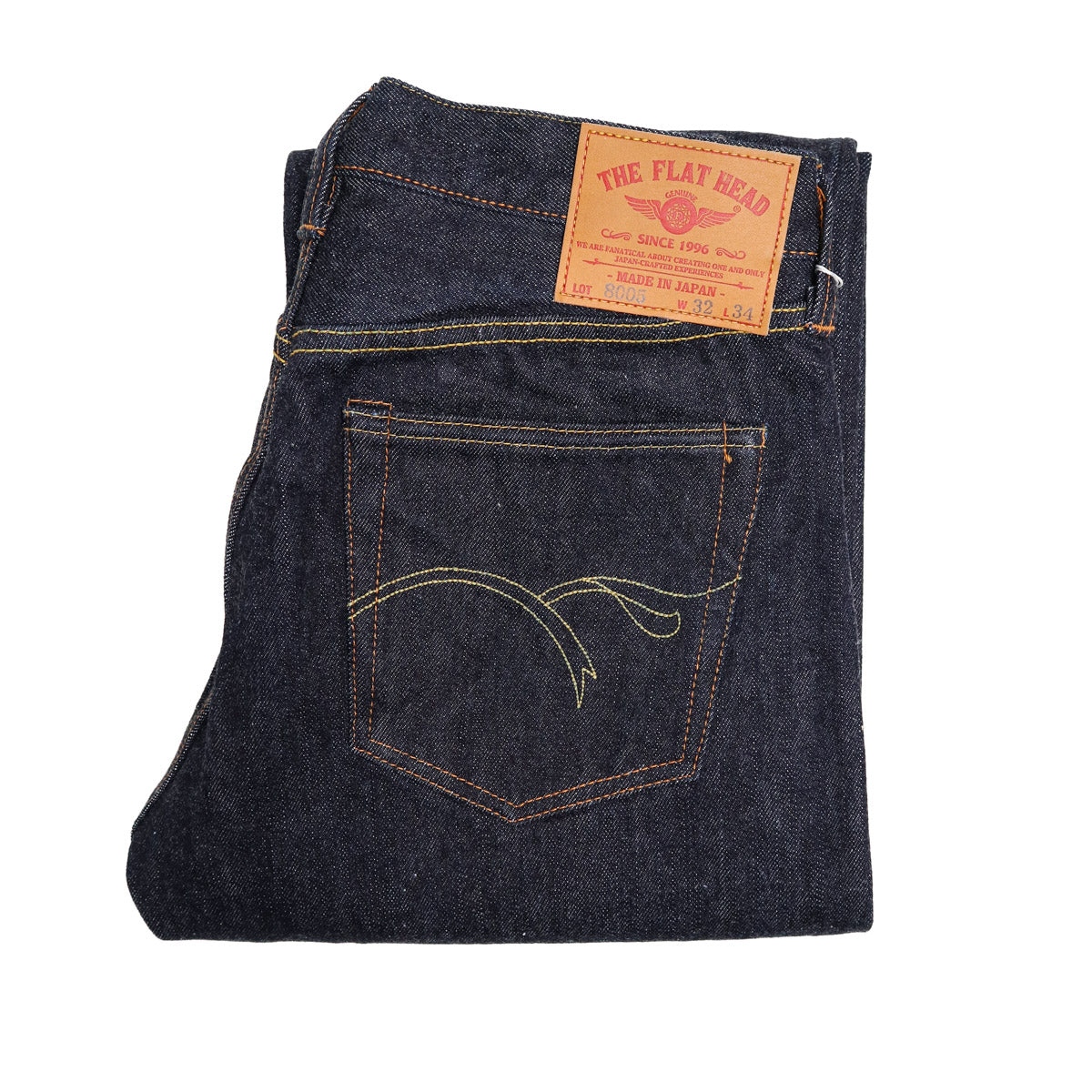
Few denim brands have earned quite the same reputation for dramatic fading as The Flat Head.
The Japanese label has spent decades refining its approach to fabric development, with particular emphasis on creating rich indigo shades and strong vertical fading patterns.
Its proprietary denim is engineered to produce pronounced contrast as the garment ages, revealing the distinctive white cores of its indigo-dyed yarns.
The results can be spectacular.
The brand also places enormous importance on construction details, including stitching techniques, hardware, and historically informed silhouettes.
The Flat Head is particularly compelling for denim enthusiasts who enjoy documenting the gradual transformation of their jeans.
Buy a pair, wear them relentlessly, and watch the magic unfold.
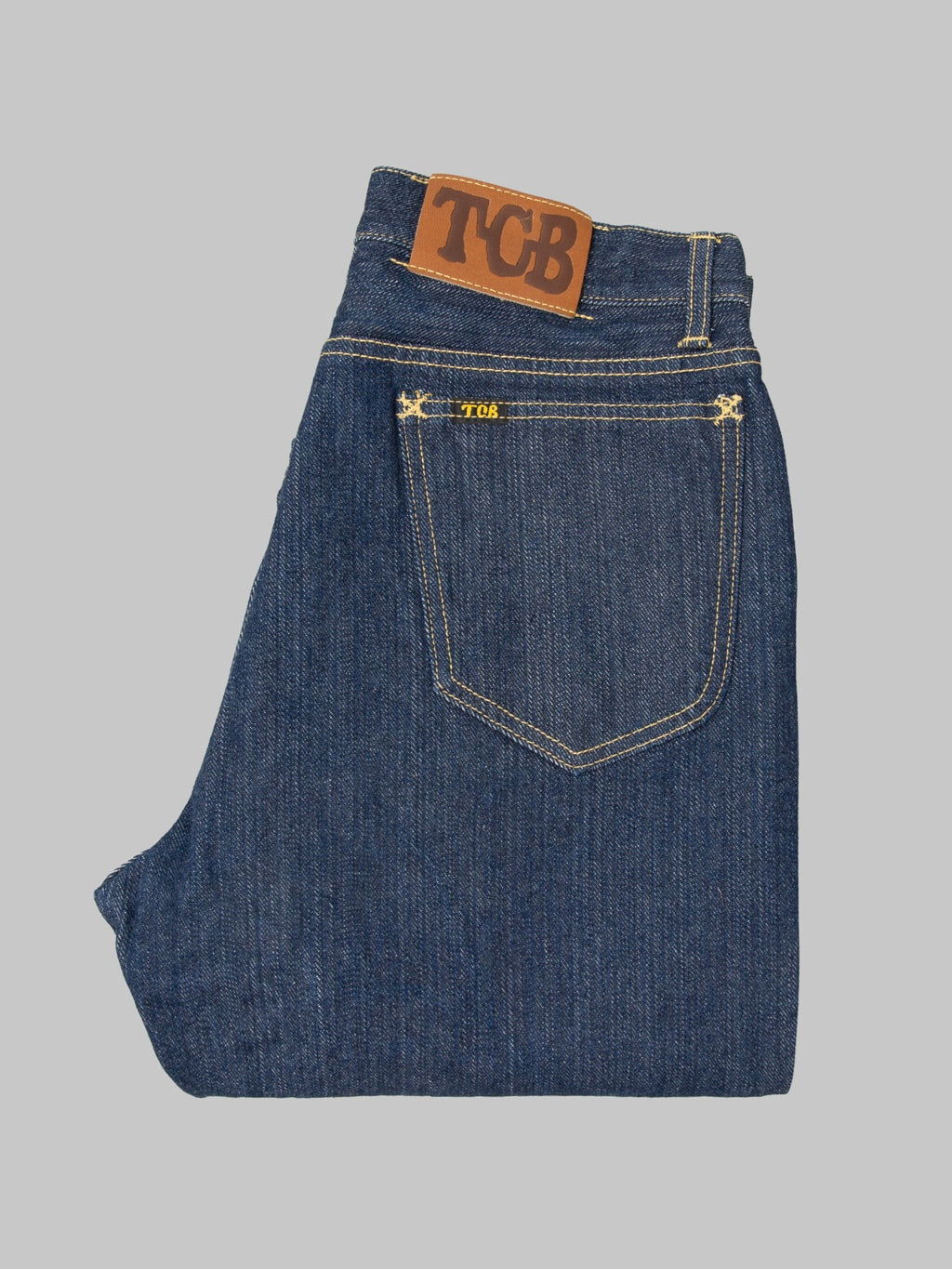
TCB Jeans has built a formidable reputation by doing something deceptively difficult: reproducing vintage American workwear with extraordinary attention to detail.
Based in Kojima, the company draws inspiration from specific historical garments, studying everything from fabric weight and stitching techniques to pocket placement and the shape of a trouser leg.
Its 50's Jeans are a particularly appealing interpretation of midcentury denim, while the 40's and 60's collections explore other chapters of American workwear history.
TCB's appeal is straightforward. The company makes thoughtfully constructed jeans rooted in authentic historical research, without feeling the need to reinvent the entire concept of trousers.
And the relatively accessible pricing makes them especially attractive.
An excellent brand for someone entering the world of serious Japanese denim.
We'll conclude with something a little different, my favorite denim company.
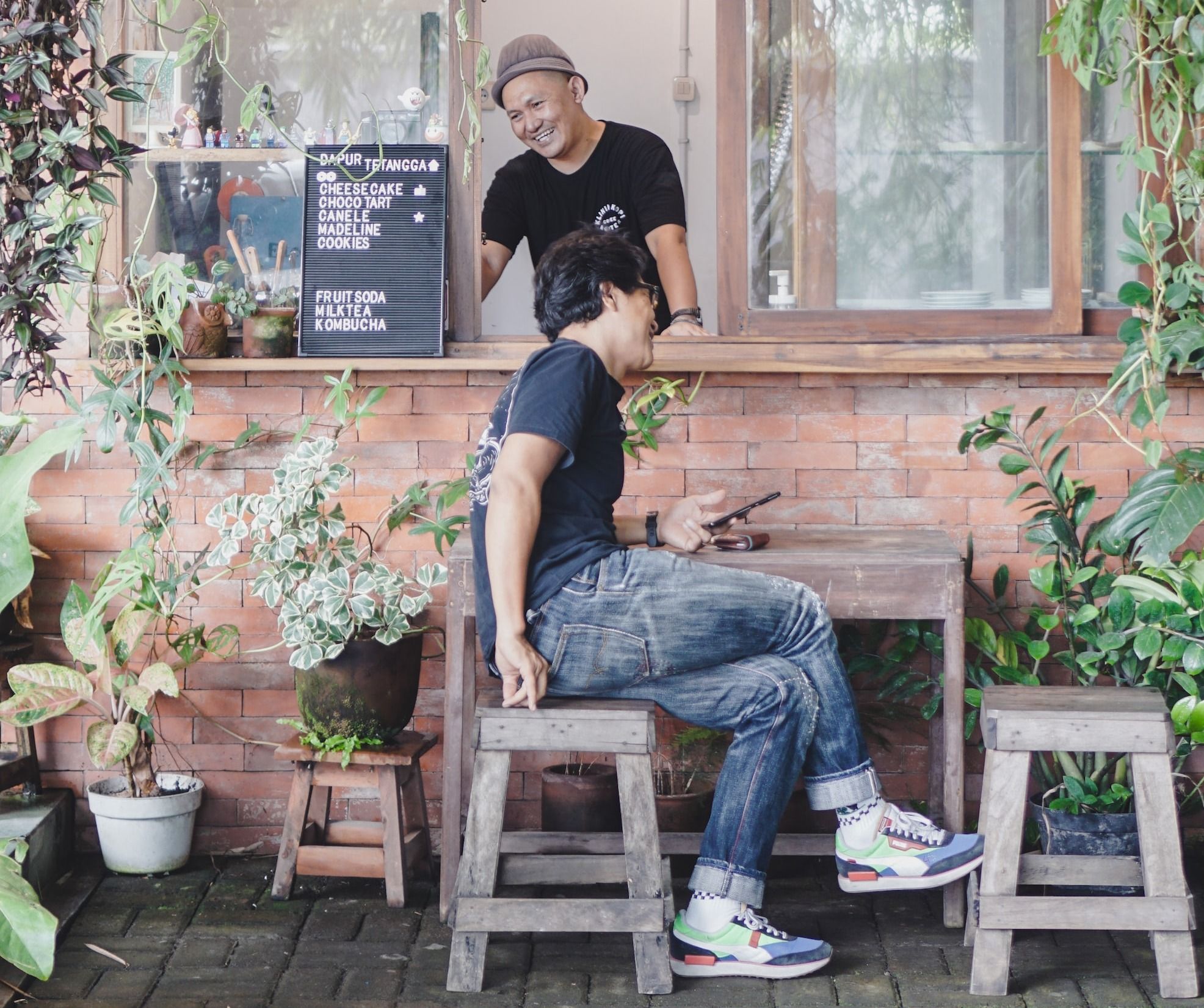
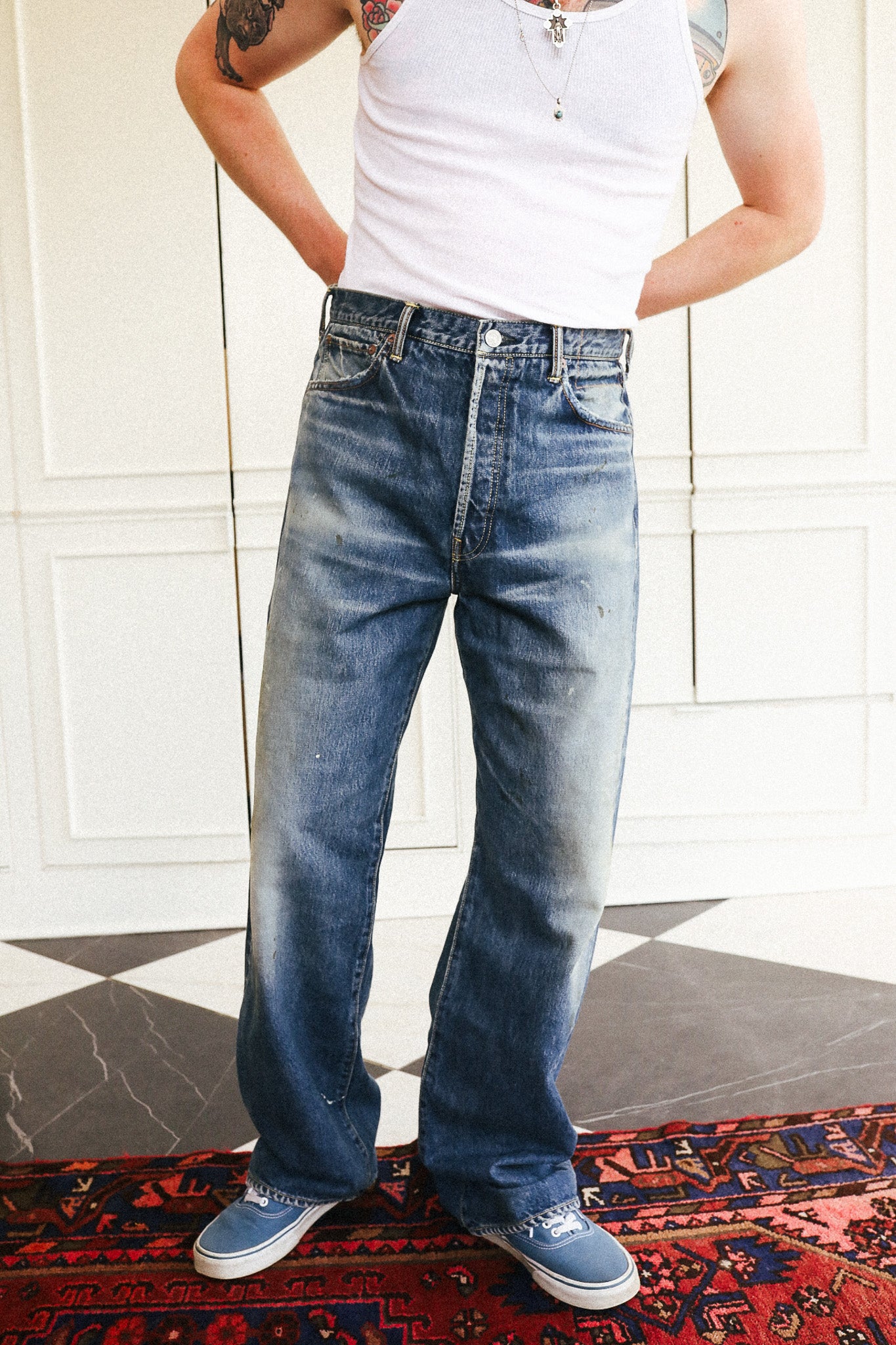
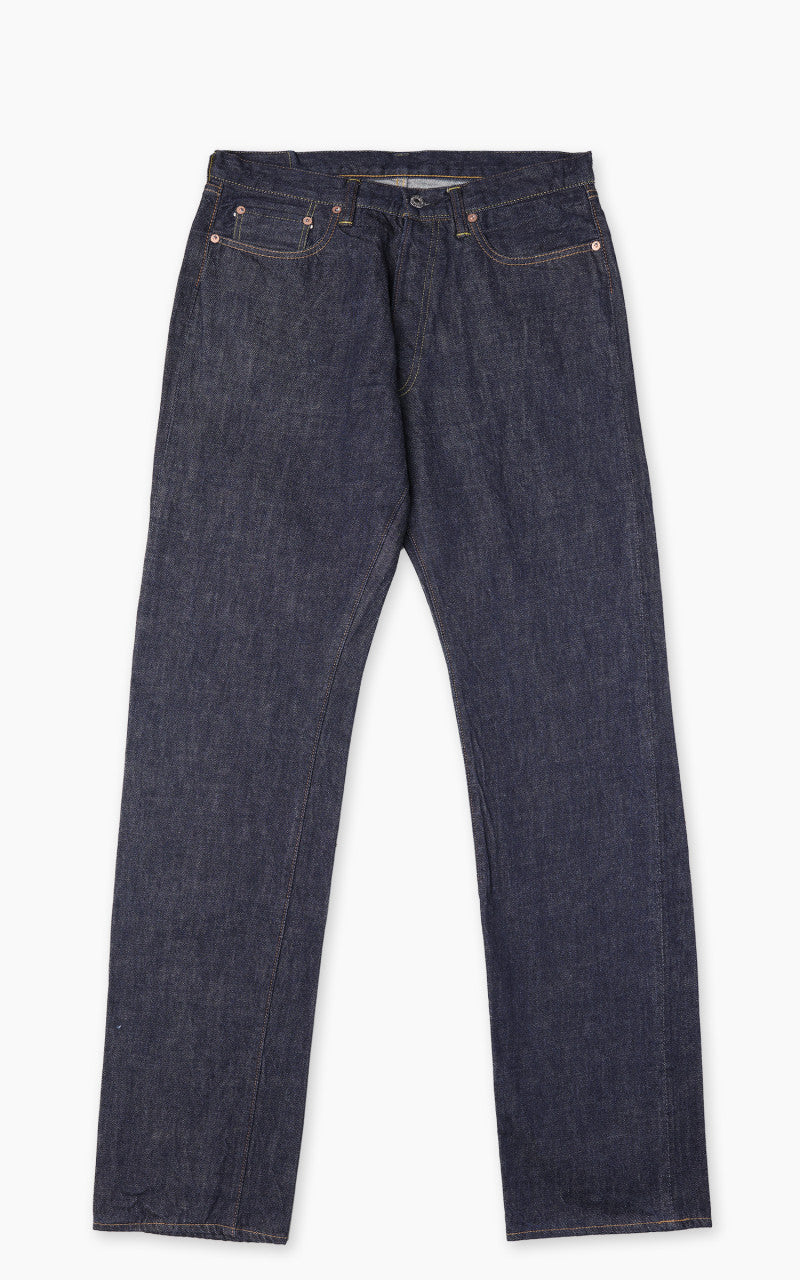
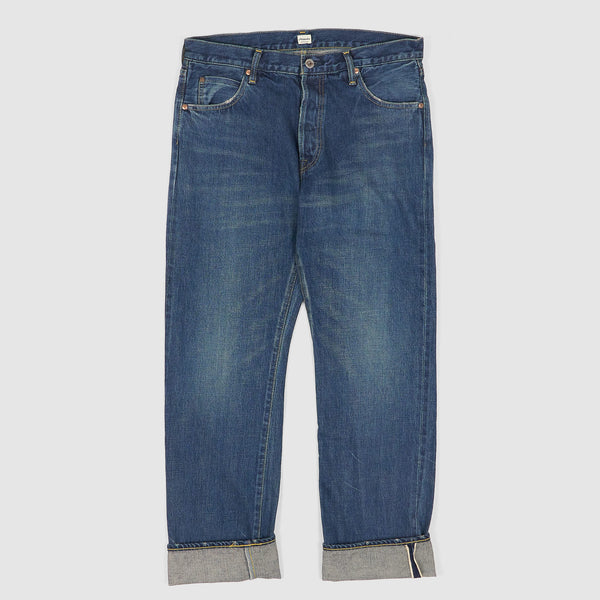
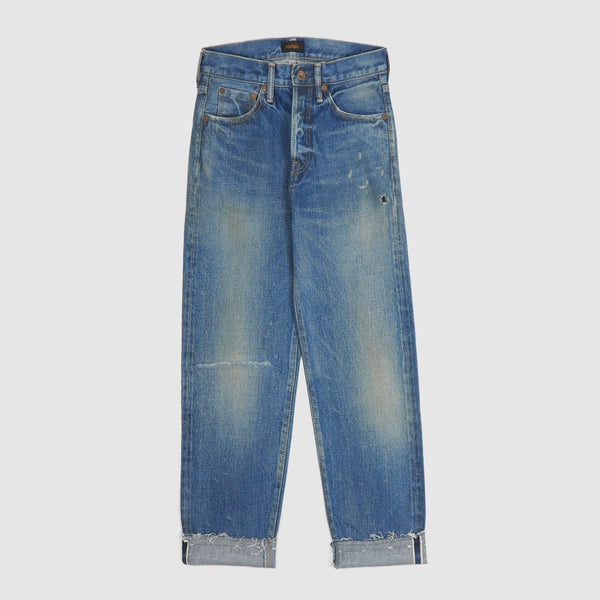
Chimala, founded by designer Noriko Machida, has developed a wonderfully personal interpretation of vintage American clothing.
Although the label has strong New York connections, its denim is produced in Japan, often featuring beautifully washed fabrics, relaxed silhouettes, and the sort of considered distressing that makes a garment appear as though it has already lived a fascinating life.
Chimala's jeans possess an ease that can be difficult to find in the more rigid corners of Japanese denim culture.
The proportions are often generous, the fabrics soft, and the overall effect quietly sophisticated.
CORTIS has been a longtime admirer of Chimala's approach to denim, particularly its ability to make relaxed, vintage-inspired jeans feel entirely contemporary.
These are the jeans you might wear with a beautiful cashmere sweater, a battered old military jacket, and whatever shoes happen to be nearest the front door.
Which, come to think of it, sounds like a pretty good outfit.
Start with: Selvedge straight or relaxed-fit denim jeans.
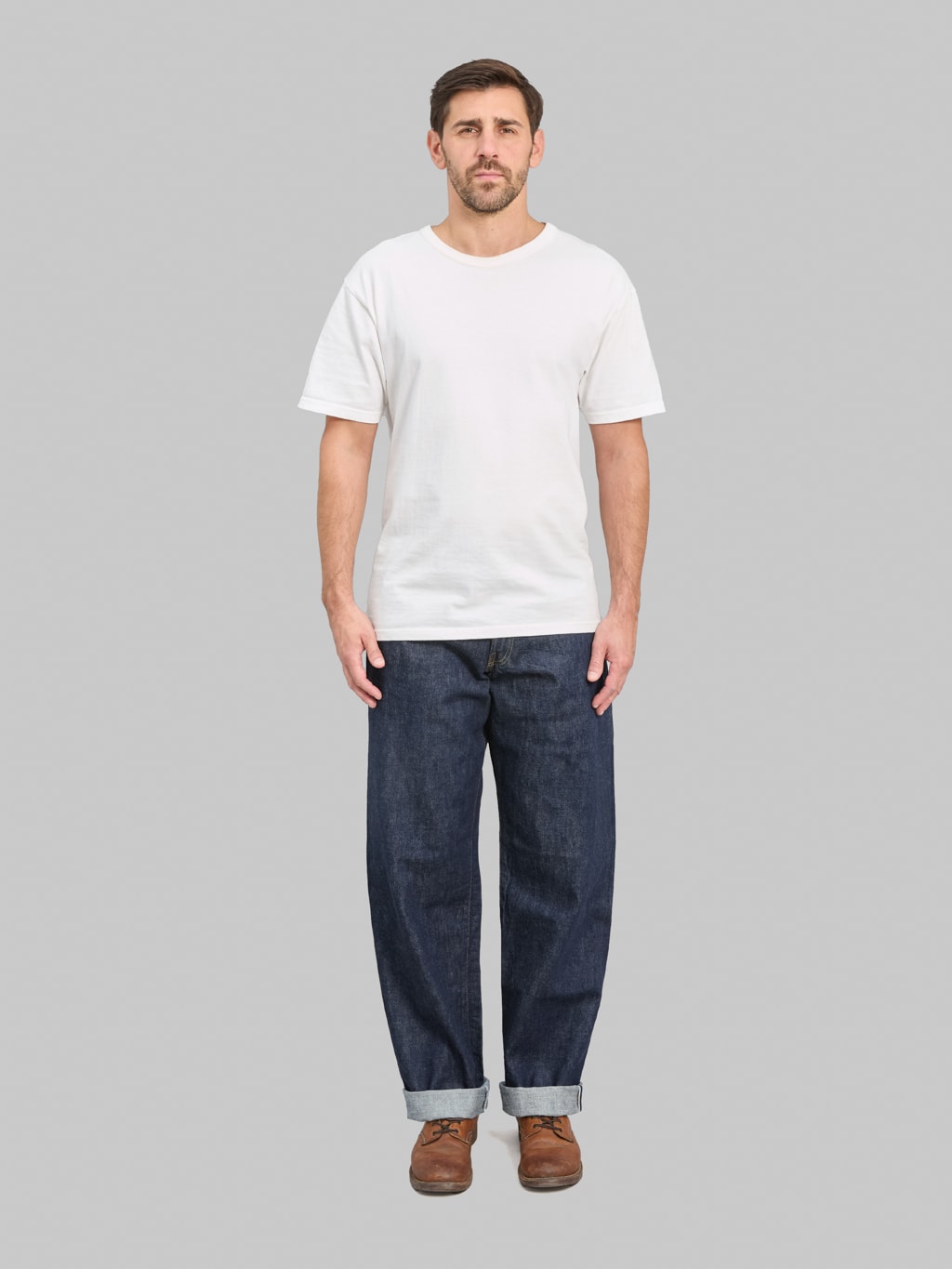
We've got a special place in our denim-loving hearts for Fits Like a Hug, the relatively new Japanese workwear label from Jonathan Lukacek, the Osaka-based creative force behind One Ear Brand.
Lukacek knows a thing or two about good clothing, having spent years immersed in Japan's menswear industry. With Fits Like a Hug, he's taken that knowledge and applied it to an admirably simple proposition: make extraordinarily good everyday clothing for people who actually have things to do.
And boy, has he delivered.
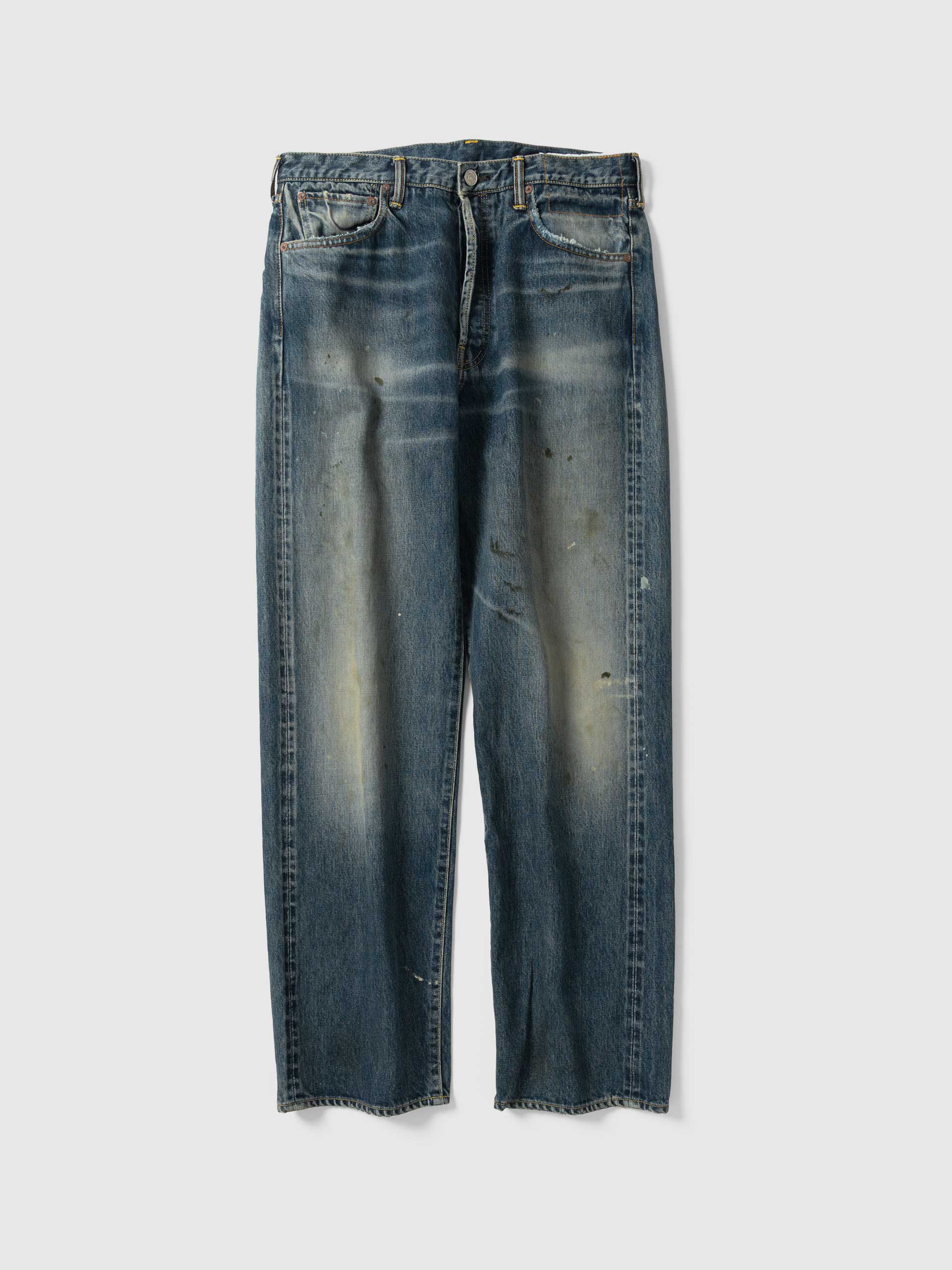
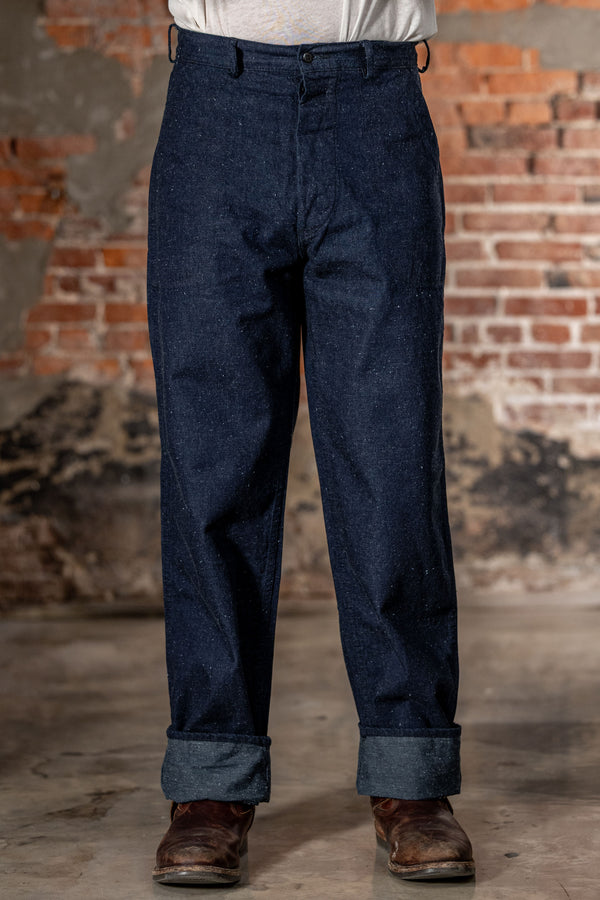
One of our favorite pairs of jeans right now is the brand's Dust Bowl Wash Jean, a beautifully considered interpretation of vintage 1950s suspender-style painter pants. Made from 10-ounce Okayama selvedge Jelt denim, they're lightweight, durable, and blessed with a wonderfully relaxed fit through the hips and thighs.
The real magic, however, is in the wash. Developed with a specialist Japanese washing factory, the Dust Bowl treatment gives the jeans the character of a well-loved vintage pair without damaging the fabric. All the charm of old denim, none of the archaeological excavation required to find it.
And unlike some of the heavyweight Japanese denim we've celebrated above, these don't require six months of suffering before they become comfortable.
We're particularly fond of Lukacek's philosophy of making workwear for city dwellers, creatives, baristas, and other good people who appreciate utility without looking like they're auditioning for a logging expedition.
At its best, Japanese denim represents an unusual convergence of historical appreciation, advanced textile knowledge, and skilled manufacturing.
Japanese makers became particularly interested in the characteristics of vintage American jeans, including shuttle-loom fabrics, rope-dyed yarns, cotton selection, and traditional stitching techniques.
But preservation was only the beginning. Companies such as Pure Blue Japan, Samurai, and Kapital have pushed denim into fascinating new territory through experimental weaving, unusual fibers, and proprietary textile development.
The important distinction is that expensive Japanese denim isn't automatically better. The quality of the fabric, the construction, the fit, and how well the jeans suit your life matter considerably more than the country printed on the label.
And a word about selvedge: that attractive finished edge on the fabric is evidence of a particular weaving method, not an automatic guarantee of superior quality.
The best makers understand this. Good denim starts with good decisions.
How Much Should You Spend on Japanese Denim?
You can find exceptionally good Japanese-made jeans without spending a small fortune. Brands like Sugar Cane and TCB offer excellent entry points into traditional Japanese denim, while Fullcount, Resolute, and Studio D'Artisan provide more specialized approaches to fabric and fit.
Move into the territory of Cottle, Kapital, and Visvim, and prices can climb considerably, reflecting proprietary textiles, specialized processes, limited production, and, inevitably, the desirability of the brands themselves.
Our advice is to prioritize fit and fabric above prestige.
A beautifully faded pair of jeans that you've worn for five years will almost always be more interesting than an extravagantly expensive pair gathering dust in your closet.
The Final Word
One of the great pleasures of Japanese denim is discovering just how many different interpretations of a simple pair of jeans can exist.
Visvim explores the boundaries of luxury craftsmanship. Kapital revels in eccentricity. Resolute pursues the perfect vintage silhouette. Iron Heart makes denim that could probably survive a minor apocalypse.
And smaller operations like Cottle and Graph Zero continue exploring what happens when traditional textile knowledge meets a healthy appetite for experimentation.
There's no single best Japanese denim brand for everyone.
But among these 14 makers, we'd wager there's at least one capable of becoming your next great obsession.
Happy hunting, denimheads.
The link has been copied!
Your link has expired. Please request a new one.
Your link has expired. Please request a new one.
Your link has expired. Please request a new one.
Great! You've successfully signed up.
Great! You've successfully signed up.
Welcome back! You've successfully signed in.
Success! You now have access to additional content.

 visvim
 visvim
 VISVIM

 Cottle
 Cottle
 Cottle

 KAPITAL
 Resolute
 Resolute


 Pure Blue Japan
 Iron Shop Provisions
 Pure Blue Japan

 Franklin & Poe
 Iron Heart
 Iron Heart
 Iron Heart
 SAMURAI JEANS

 Samurai

 Japanese Repro
 Franklin & Poe
 Mister Freedom
 Sugar Cane
 Studio D'Artisan
 Studio D'Artisan

 STUDIO D'ARTISAN
 GRAPH ZERO
 GRAPH ZERO
 Graph Zero
 Graph Zero
 Fullcount
 Fullcount
 Fullcount
 The Flat Head
 THE FLAT HEAD
 The Flat Head
 TCB
 TCB
 guillermo ponce de leon
 Franklin & Poe
 Chimala
 Chimala
 Chimala